

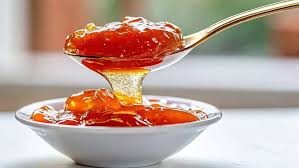
In the world of professional cooking, small techniques often make the biggest difference. One such method that separates amateur cooks from skilled chefs is the gelatin trick. This simple yet powerful culinary technique is used in fine dining kitchens, bakeries, and even modernist cuisine labs to improve texture, flavor, and presentation. For aspiring chefs, mastering this trick can instantly elevate your dishes and give you a deeper understanding of how ingredients work together.
Gelatin is more than just a dessert ingredient. When used correctly, it becomes a versatile tool that enhances sauces, stabilizes creams, clarifies liquids, and creates unforgettable mouthfeel. Understanding the gelatin trick can open doors to creative plating and restaurant-quality results.
Understanding Gelatin and Its Role in Cooking
Gelatin is a protein derived from collagen, usually sourced from animal bones and connective tissue. When dissolved in warm liquid and cooled, it forms a soft, elastic gel. This unique property allows chefs to control texture in ways few other ingredients can.
The gelatin trick relies on gelatin’s ability to thicken without masking flavor. Unlike flour or cornstarch, gelatin provides body and structure while keeping liquids clear and clean-tasting. This makes it especially valuable in delicate dishes where flavor clarity is essential.
Gelatin also melts at body temperature, which creates a luxurious, silky sensation in the mouth. This characteristic is why high-end restaurants often use gelatin to enrich sauces, custards, and savory jellies.
Why the Gelatin Trick Is Essential for Aspiring Chefs
Aspiring chefs often focus on flavor combinations but overlook texture. Texture is what turns a good dish into a memorable one. The gelatin trick helps you fine-tune that aspect with precision.
Using gelatin correctly allows you to:
- Create smooth, stable sauces that coat the palate beautifully
- Improve the structure of desserts without making them heavy
- Add richness to broths and stocks without overpowering seasoning
- Present visually stunning dishes with clean edges and defined shapes
Professional kitchens value cooks who understand these details. Mastering the gelatin trick demonstrates technical knowledge and attention to detail, both of which are critical for culinary growth.
The Science Behind the Gelatin Trick
To use gelatin effectively, it helps to understand how it behaves. Gelatin granules or sheets must first be hydrated, a process known as blooming. During blooming, gelatin absorbs cold liquid and softens, preparing it to dissolve evenly when heated.
Once bloomed, gelatin is gently warmed until it fully dissolves. Overheating can weaken its gelling power, so temperature control is essential. After dissolving, the liquid is cooled, allowing gelatin molecules to form a network that traps water and creates structure.
The gelatin trick is all about balance. Too little gelatin results in a weak set, while too much creates a rubbery texture. Precision is key, and chefs often measure gelatin by weight to ensure consistency.
Applying the Gelatin Trick in Savory Dishes
Many people associate gelatin with sweets, but its savory applications are just as impressive. One classic use of the gelatin trick is enriching sauces and reductions.
Enhancing Sauces and Jus
Adding a small amount of gelatin to a sauce gives it a glossy finish and luxurious mouthfeel. This is especially useful for pan sauces made with lean cuts of meat that don’t naturally release much collagen. The gelatin trick mimics the texture of a long-simmered stock without hours of cooking.
Improving Soups and Broths
Clear soups benefit greatly from gelatin. It adds body without clouding the liquid, resulting in a refined and elegant presentation. This technique is often used in consommés and light broths where clarity is critical.
Modern Plating Techniques
Chefs also use gelatin to create savory gels, cubes, or sheets that add visual interest to a plate. Herb gels, wine jellies, and flavored aspics allow for precise plating and controlled bursts of flavor.
Mastering the Gelatin Trick in Desserts
Desserts are where the gelatin trick truly shines. From classic panna cotta to modern mousse cakes, gelatin provides structure while keeping textures light and smooth.
Stabilizing Creams and Mousses
One of the most common dessert applications is stabilizing whipped cream. A small amount of gelatin prevents collapse, allowing desserts to hold their shape longer without becoming stiff or grainy.
Creating Clean, Professional Finishes
Gelatin glazes are used to give cakes and pastries a shiny, flawless finish. These glazes not only improve appearance but also protect desserts from drying out, extending their shelf life.
Perfecting Set Desserts
Custards, jellies, and layered desserts rely on precise gelatin usage. The gelatin trick ensures clean slices and consistent texture, which is essential for professional presentation.
Common Mistakes to Avoid When Using Gelatin
While the gelatin trick is simple, beginners often make a few common errors. Avoiding these mistakes will help you achieve consistent results.
One frequent issue is skipping the blooming step. Adding dry gelatin directly to hot liquid causes clumping and uneven texture. Another mistake is overheating gelatin, which weakens its setting ability.
Using too much gelatin is also a problem. More gelatin does not mean better results. Instead, it leads to an unpleasant, rubbery mouthfeel. Precision and restraint are crucial.
Choosing the Right Type of Gelatin
Gelatin comes in powder and sheet forms. Both work well, but professional kitchens often prefer sheets because they are easy to measure and produce consistent results.
Powdered gelatin is more accessible and equally effective when used correctly. Regardless of the form, quality matters. High-quality gelatin provides better clarity, flavor neutrality, and reliable setting power.
Understanding how different types behave is part of mastering the gelatin trick and adapting it to various recipes.
How the Gelatin Trick Elevates Culinary Creativity
Once you understand the basics, the gelatin trick becomes a creative tool rather than just a technical one. You can experiment with layered textures, unexpected flavor pairings, and innovative presentations.
This technique allows chefs to push boundaries while maintaining control. Whether you are designing a refined tasting menu or perfecting a signature dessert, gelatin gives you the flexibility to execute your vision with confidence.
Final Thoughts on the Gelatin Trick
For aspiring chefs, learning foundational techniques is more important than chasing complex recipes. The gelatin trick is one of those essential skills that quietly transforms your cooking.
By mastering this method, you gain control over texture, improve presentation, and enhance flavor delivery across both savory and sweet dishes. It is a small detail with a massive impact, and one that every serious cook should understand.