

Air duct cleaning is an essential aspect of maintaining a clean and healthy home environment. Over time, dust, dirt, allergens, and even mold can accumulate inside your air ducts, reducing air quality and affecting your HVAC system’s efficiency. Performing air duct cleaning at home can help improve airflow, reduce allergens, and increase the lifespan of your HVAC system. This guide provides a detailed step-by-step process for safely and effectively cleaning your air ducts yourself.
Understanding the Importance of Air Duct Cleaning
Air ducts circulate air throughout your home, meaning any contaminants inside them are distributed everywhere. Over time, dust, pet dander, pollen, and debris can build up inside these ducts. This accumulation can contribute to respiratory problems, allergies, and unpleasant odors. In addition, dirty air ducts can force your HVAC system to work harder, increasing energy bills and potentially leading to expensive repairs. Regular air duct cleaning helps eliminate these issues, improving indoor air quality and maintaining a healthier home environment.
Preparing for Air Duct Cleaning
Before starting, gather all the necessary tools and safety equipment. Essential items include a vacuum cleaner with a long hose, a brush, screwdrivers, protective gloves, a mask, and possibly a flashlight to inspect the duct interiors. It is important to switch off your HVAC system before beginning any cleaning to prevent debris from circulating while you work. Additionally, prepare a clean area to place removed vent covers and filters to prevent spreading dirt throughout your home.
Inspecting Your Air Ducts
Begin by inspecting your air ducts to determine the extent of cleaning required. Remove vent covers carefully using a screwdriver and examine the ducts for visible dust, debris, or mold. Use a flashlight to get a clear view inside the ducts. This inspection helps identify problem areas that require extra attention. If you notice severe mold growth or structural damage inside the ducts, it is recommended to consult a professional rather than attempting a complete cleaning on your own.
Removing Vent Covers and Air Filters
Start the cleaning process by removing vent covers and air filters. Soak vent covers in warm, soapy water to loosen dirt and grime. Scrub them gently with a brush and rinse thoroughly before allowing them to dry completely. Replace air filters if they are old or heavily clogged. Regularly changing air filters is an essential step in maintaining clean ducts and preventing the accumulation of dust and allergens in the future.
Cleaning the Air Ducts
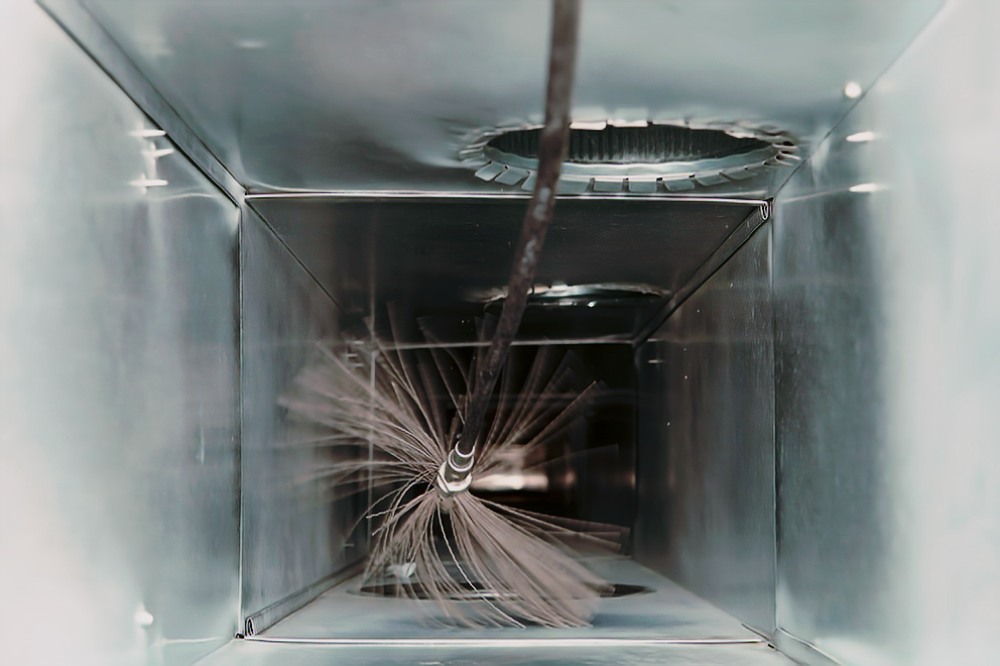
Once the vent covers and filters are removed, use a vacuum cleaner with a long hose attachment to remove dust and debris from inside the ducts. Begin from the main trunk line and work your way to individual ducts, carefully vacuuming as far as your hose allows. For areas that the vacuum cannot reach, use a long, flexible brush to loosen dust and push it toward the vacuum. This method ensures that even the hard-to-reach parts of your air ducts are cleaned effectively.
Addressing Mold and Stubborn Debris
If you encounter mold or stubborn debris inside your air ducts, it is important to take precautions. Wear protective gloves and a mask, and use a specialized cleaner designed for HVAC systems. Spray the affected areas lightly, ensuring you follow the product instructions. Avoid using excessive water, as moisture can cause further mold growth or damage to the duct material. After treating mold or sticky debris, vacuum the ducts again to remove any remaining residue.
Cleaning the HVAC Components
While focusing on the air ducts, it is also important to clean other HVAC components, such as the blower fan and the evaporator coil. Dust and debris can accumulate on these parts, reducing system efficiency. Use a soft brush or vacuum attachment to carefully remove dust from the blower fan blades and coils. Cleaning these components ensures optimal airflow and prevents future contamination inside the ducts.
Reassembling and Testing
After completing the cleaning, carefully reattach vent covers and replace any air filters. Turn on your HVAC system and observe the airflow to ensure everything is functioning correctly. You may notice an immediate improvement in air quality and circulation. Additionally, your system may operate more quietly and efficiently, as removing dust and debris reduces strain on the HVAC components.
Maintaining Clean Air Ducts
Regular maintenance is key to prolonging the benefits of air duct cleaning. Schedule routine inspections every 6 to 12 months, and replace air filters every 1 to 3 months depending on usage and the number of occupants in your home. Vacuum and dust around vents regularly to prevent debris from re-entering the ducts. Keeping your home clean, controlling humidity, and addressing leaks promptly will also reduce the need for frequent deep cleaning.
Benefits of Regular Air Duct Cleaning
The benefits of air duct cleaning extend beyond cleaner air. Improved indoor air quality reduces allergy and asthma triggers, creating a healthier living environment. Your HVAC system operates more efficiently, lowering energy bills and preventing costly repairs. Additionally, removing dust, mold, and debris helps eliminate unpleasant odors, contributing to a fresher-smelling home. Overall, regular air duct cleaning supports both your health and your home’s energy efficiency.
Knowing When to Seek Professional Help
While cleaning your air ducts at home is feasible, certain situations require professional intervention. If you notice extensive mold growth, signs of rodent infestation, or structural damage in the ducts, professional air duct cleaning services are recommended. Experts have specialized tools and training to handle complex situations safely and thoroughly. Hiring a professional ensures that your HVAC system remains in optimal condition and prevents potential health hazards.
Air duct cleaning is an important part of maintaining a healthy, efficient, and comfortable home. By following this step-by-step guide, you can perform basic cleaning tasks yourself while improving air quality and system performance. Remember to inspect, clean, and maintain your ducts regularly to enjoy the full benefits of a clean and well-functioning HVAC system. With proper care and attention, your home will breathe cleaner, healthier air year-round.