

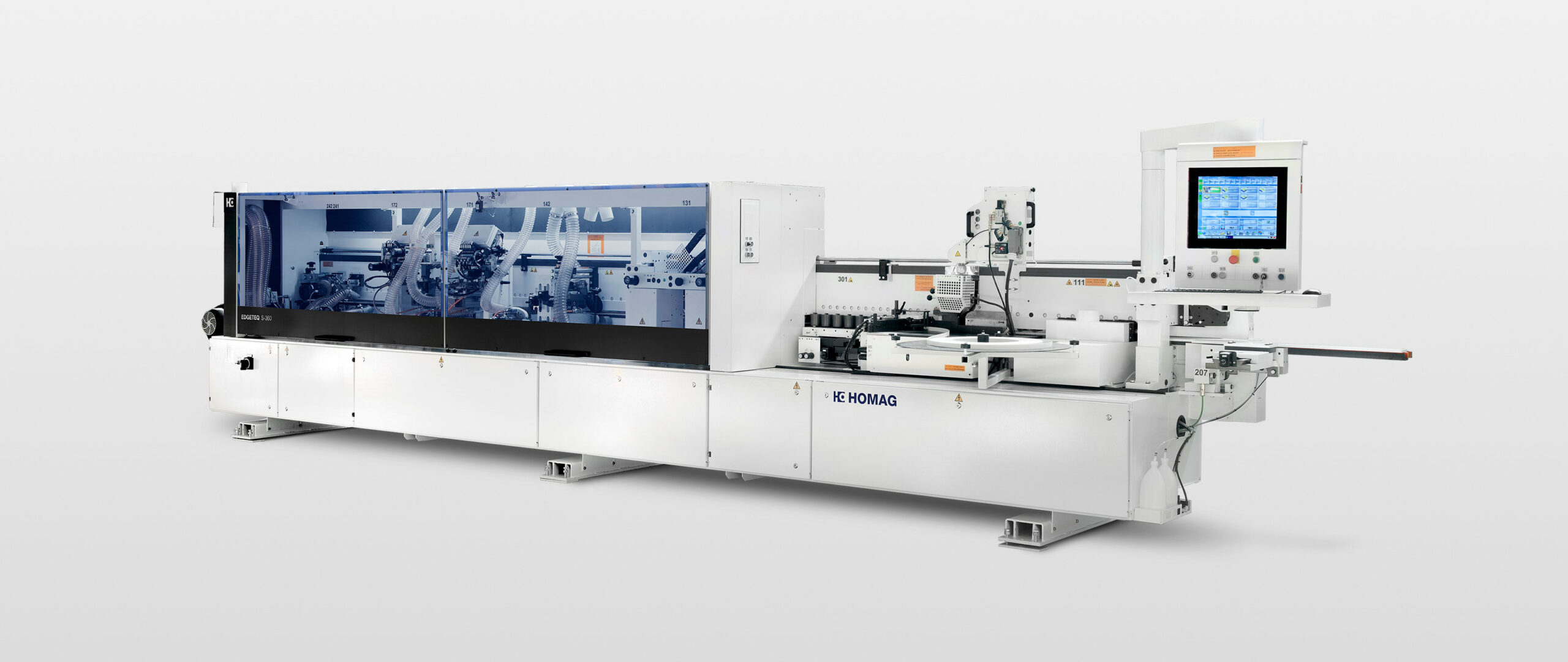
In today’s highly competitive furniture industry, manufacturers are under constant pressure to deliver high-quality products faster, more consistently, and at lower costs. As consumer expectations rise for flawless finishes and durable designs, the role of advanced machinery becomes increasingly critical. Among these innovations, the Edge Banding Machine has emerged as a cornerstone of modern furniture production, transforming how manufacturers approach efficiency, precision, and scalability.
Understanding Edge Banding in Furniture Manufacturing
What Edge Banding Is and Why It Matters
Edge banding is the process of covering the exposed edges of wood-based panels such as plywood, MDF, or particle board. These raw edges are vulnerable to moisture, wear, and visual imperfections. By applying materials like PVC, ABS, veneer, or wood strips, manufacturers protect panels while enhancing their aesthetic appeal. An Edge Banding Machine automates this process, ensuring uniform application and a professional finish across every piece.
The Evolution from Manual to Automated Processes
Traditionally, edge banding was done manually, requiring skilled labor and significant time investment. Manual methods often resulted in inconsistencies, glue marks, and uneven trims. With the introduction of the Edge Banding Machine, furniture production shifted toward automation, allowing for higher output with minimal variation. This evolution has redefined quality standards across the industry.
How Edge Banding Machines Maximize Production Efficiency
Speed and Consistency in High-Volume Production
One of the most significant advantages of an Edge Banding Machine is speed. Automated systems can process hundreds of panels per shift, far exceeding manual capabilities. More importantly, they maintain consistent quality regardless of volume. This consistency reduces rework, minimizes waste, and helps manufacturers meet tight deadlines without compromising standards.
Reduced Labor Costs and Skill Dependency
Modern furniture factories face challenges related to labor availability and training. An Edge Banding Machine reduces reliance on highly skilled manual workers by automating complex tasks such as glue application, trimming, scraping, and polishing. This not only lowers labor costs but also simplifies workforce management, allowing employees to focus on higher-value tasks like design and quality control.
Optimized Material Usage
Efficiency is not only about speed but also about resource management. Advanced Edge Banding Machine models are designed to apply precise amounts of adhesive and edging material. This precision minimizes excess glue and reduces material waste, leading to cost savings and more sustainable production practices.
Enhancing Product Quality with Edge Banding Technology
Improved Durability and Protection
Furniture edges are among the most exposed and frequently used parts of any piece. An Edge Banding Machine ensures that edges are securely sealed, protecting panels from moisture infiltration, chipping, and daily wear. This enhanced durability extends product lifespan and improves customer satisfaction.
Superior Aesthetic Finish
Modern consumers expect furniture that looks refined from every angle. Automated edge banding delivers smooth, seamless edges that blend perfectly with panel surfaces. With adjustable settings, an Edge Banding Machine can accommodate different materials, colors, and thicknesses, allowing manufacturers to achieve premium finishes consistently.
Precision for Complex Designs
As furniture designs become more sophisticated, precision becomes essential. CNC-compatible Edge Banding Machine systems can handle curved panels, angled edges, and customized profiles. This capability enables manufacturers to expand their design offerings without sacrificing efficiency or quality.
Integration of Edge Banding Machines in Smart Factories
Compatibility with CNC and Production Lines
In modern smart factories, machines are interconnected to streamline workflows. An Edge Banding Machine can be seamlessly integrated with CNC routers, panel saws, and automated conveyors. This integration reduces handling time, minimizes errors, and creates a smooth production flow from cutting to finishing.
Digital Controls and Automation Features
Today’s Edge Banding Machine models feature digital control panels, programmable settings, and automated adjustments. Operators can store multiple job profiles, switch between designs quickly, and monitor performance in real time. These features significantly reduce setup times and improve overall operational efficiency.
Data-Driven Decision Making
Advanced machines often include sensors and monitoring systems that collect production data. This information helps managers identify bottlenecks, schedule maintenance proactively, and optimize machine usage. By leveraging data, manufacturers can continuously improve efficiency and reduce downtime.
Cost Efficiency and Long-Term ROI
Lower Operational Costs Over Time
While the initial investment in an Edge Banding Machine may seem substantial, the long-term cost benefits are significant. Reduced labor expenses, lower material waste, and fewer rejected products contribute to a strong return on investment. Over time, the machine pays for itself through improved productivity and consistent quality.
Scalability for Growing Businesses
For furniture manufacturers looking to scale operations, an Edge Banding Machine provides a reliable foundation for growth. As demand increases, production can be ramped up without proportional increases in labor or overhead costs. This scalability is essential for businesses aiming to compete in global markets.
Sustainability and Environmental Benefits
Reduced Waste and Energy Efficiency
Sustainability is becoming a key focus in furniture production. Modern Edge Banding Machine designs emphasize energy efficiency and precise material usage. By reducing waste and optimizing adhesive application, manufacturers can lower their environmental footprint while maintaining high production standards.
Supporting Eco-Friendly Materials
Many machines are compatible with eco-friendly edging materials and low-emission adhesives. This compatibility allows manufacturers to meet environmental regulations and appeal to environmentally conscious consumers without sacrificing efficiency.
The Future of Edge Banding in Furniture Production
Continuous Innovation and Automation
As technology advances, the Edge Banding Machine will continue to evolve. Future developments are likely to include greater automation, AI-assisted adjustments, and even tighter integration with smart factory systems. These innovations will further enhance efficiency, precision, and flexibility.
Meeting Changing Market Demands
The furniture market is dynamic, with trends shifting toward customization, fast delivery, and high-quality finishes. An Edge Banding Machine equips manufacturers with the tools needed to adapt quickly, produce diverse designs, and maintain consistent standards across all products.
Conclusion
In modern furniture production, efficiency is no longer optional—it is essential. The Edge Banding Machine plays a pivotal role in maximizing efficiency by streamlining processes, enhancing product quality, and reducing operational costs. From small workshops to large-scale manufacturing plants, this technology has become indispensable for meeting the demands of today’s market. By investing in advanced edge banding solutions, furniture manufacturers can achieve higher productivity, superior finishes, and long-term competitiveness in an increasingly demanding industry.