

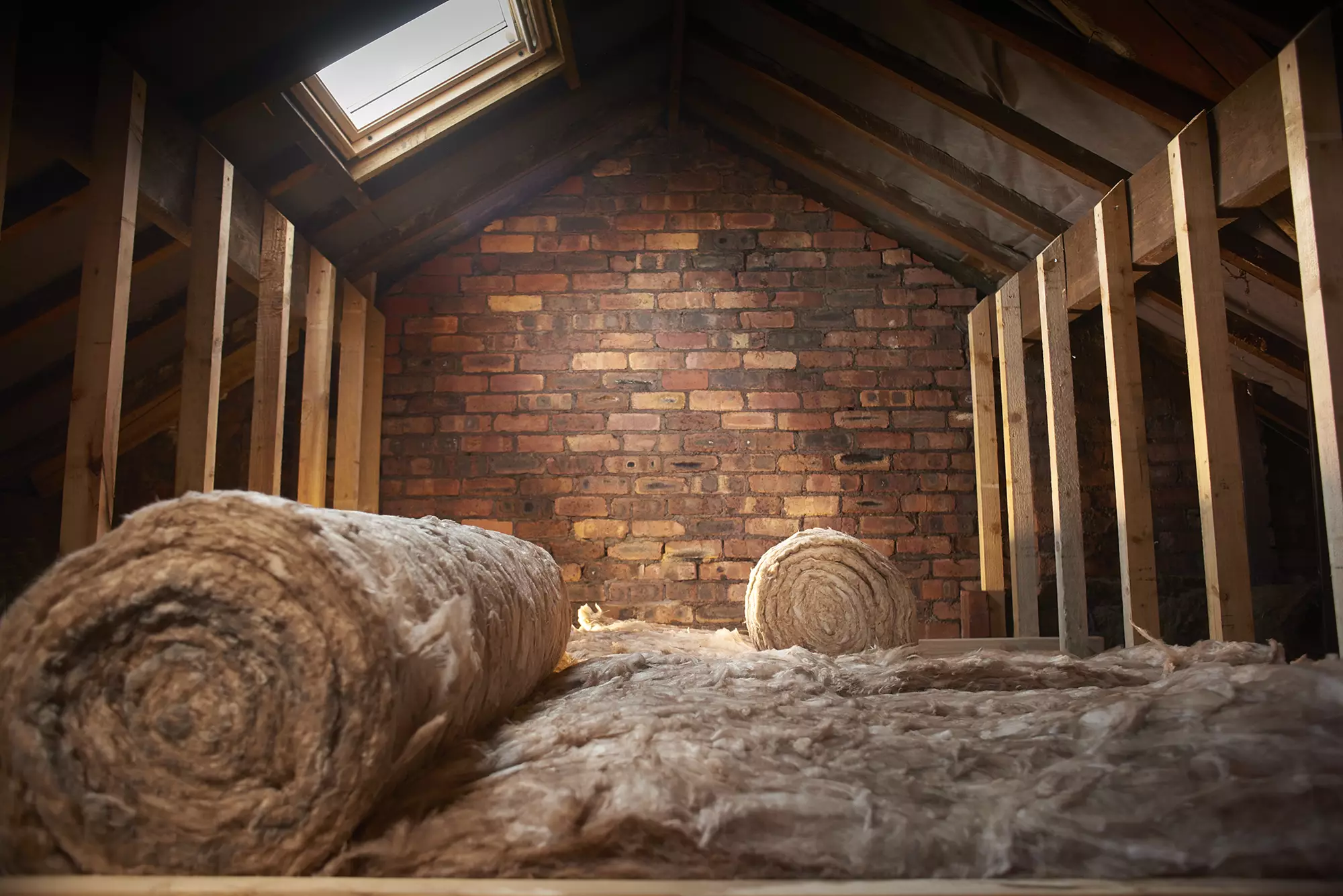
Investing in loft insulation is one of the smartest ways to cut energy waste and lower heating bills. In the UK, a well-insulated loft keeps your home warmer in winter and cooler in summer, while reducing carbon emissions. If you’re weighing options, understanding the loft insulation cost and what goes into it can help you budget wisely and select the right material and fit for your roof space. By planning ahead, you can avoid surprises and secure a comfortable home for years to come.
Understanding the factors that affect loft insulation cost
Several variables influence the total price. The size and shape of your loft, the current ceiling and roof structure, the type of insulation material, the desired thickness (or R-value), and whether you need extra tasks such as spray-foam sealing, hatch insulation, or ventilation checks all play a role. Common materials include mineral wool, fibreglass, cellulose, and spray foams, each with different installed costs and performance. Labour charges, accessibility, and whether scaffolding is required can add or subtract from the final figure. When you see a price, ask for the installed cost per square meter and whether old insulation removal is included. A clear assessment helps you compare quotes on a like-for-like basis.
Common insulation materials and their costs
- Mineral wool: typically £6–£18 per m2 installed. Durable, fire-resistant, and widely used.
- Fibreglass: around £5–£15 per m2 installed. Lightweight and easy to fit, with good thermal performance.
- Cellulose: about £8–£16 per m2 installed. Eco-friendly and good for filling irregular spaces.
- Spray foam: £25–£40 per m2 installed. Excellent air sealing and high R-values, but more expensive.
In addition to material costs, consider whether you need ventilation upgrades, hatch insulation, or removal of old insulation. The best option depends on your loft’s structure, moisture risk, and future plans for the space.
What you can expect to pay
Typical installed prices in the UK can range from around £350 to £1,200 for a standard loft, depending on depth, material, and access. A basic bulk-fill insulation using mineral wool or fibreglass might sit near the lower end, while premium spray foam or thicker installations push the cost higher. If your loft has limited floor area or you need to remove existing insulation or upgrade ventilation, costs can climb. Always obtain at least three quotes and ensure the estimator provides a clear breakdown (materials, labour, disposal, and any scaffolding or access needs).
DIY vs professional installation
DIY loft insulation is possible for some homeowners, particularly with accessible spaces and simple top-up jobs, but there are important caveats. Correct thickness and proper ventilation are critical to avoid condensation and damp, and handling some materials can irritate skin or lungs. Professional installers can assess your roof space, supply the right depth, seal gaps, and check ventilation. In most cases, professional installation offers better performance, a longer warranty, and peace of mind, which can translate into greater energy savings over time.
Maximizing value: energy savings and long-term benefits
Beyond the upfront loft insulation cost, consider ongoing savings. A properly insulated loft can reduce heating bills by a meaningful amount over the years and may improve your home’s EPC rating. Many households notice fewer drafts and a more even indoor temperature. The long-term return depends on your current insulation level, heating system, and overall airtightness. Taking a holistic approach—combining insulation with doors, windows, and boiler efficiency—often delivers the best overall performance.
Preparing and planning for the upgrade
Before booking a contractor, do a quick site check: measure the loft area, note the access points, and look for signs of damp or vermin. Clear enough space to allow the installer to work safely, and mark any areas that require extra protection. Ask about the installation schedule, waste disposal, and any guarantees on workmanship. A well-planned project reduces the risk of delays and ensures that the loft insulation cost delivers the expected energy savings.
Choosing the right insulation and how DecoHome can help
To compare options, read product data sheets, look for high installed thickness (often 270 mm in older UK homes and more in newer builds), and check if the installer includes air sealing and hatch insulation. For more details on costs and options, visit the dedicated page on loft insulation cost. If you’re planning a broader energy upgrade, you can browse DecoHome for practical tips, product recommendations, and guidance on finding reliable contractors.
 Admin
Admin