

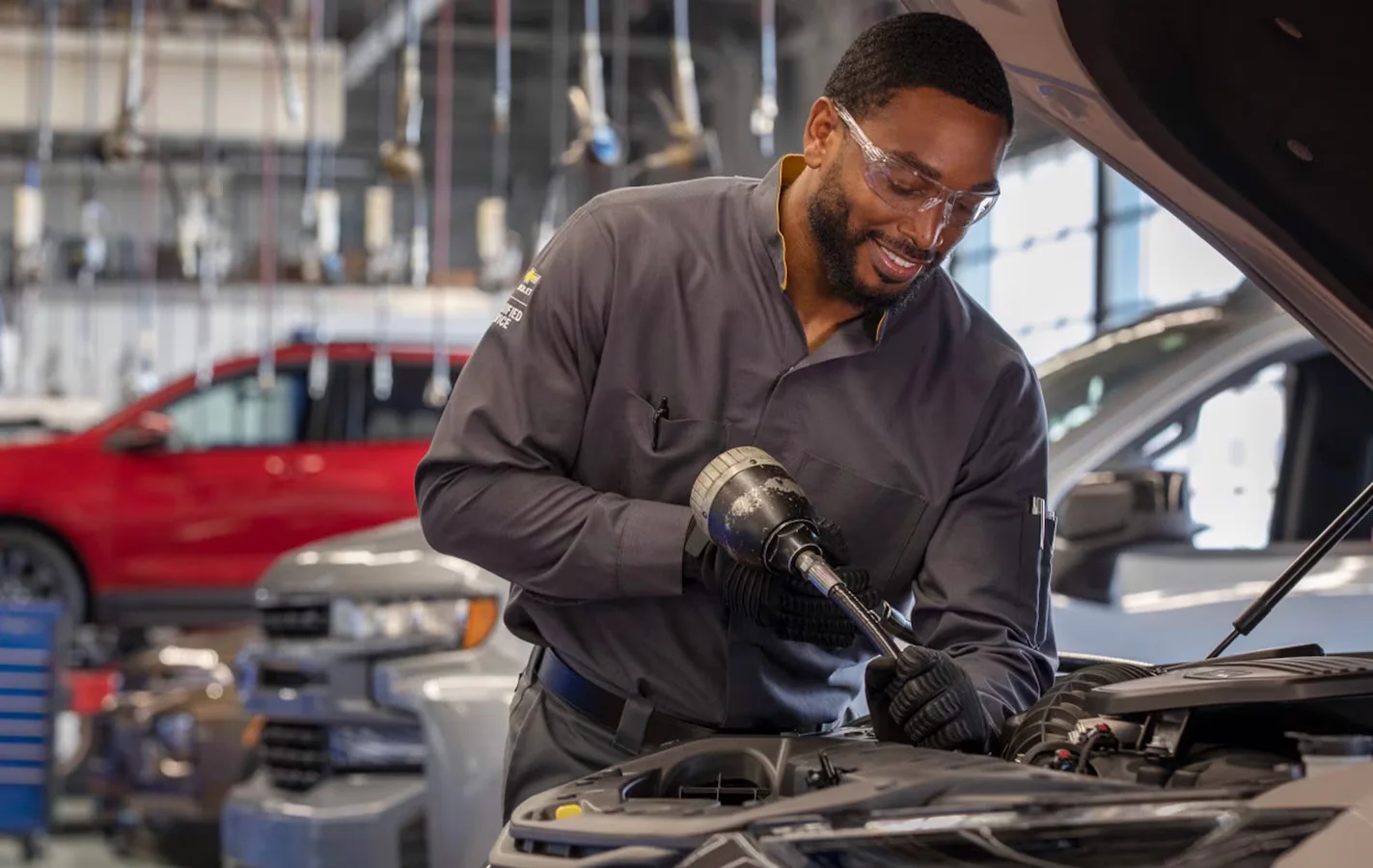
Regular car maintenance is more than a checklist—it’s a habit that saves you money, reduces breakdowns, and keeps you safely on the road. By focusing on essential repair tips, you can prevent minor issues from turning into costly repairs and extend the life of your vehicle. A proactive approach also improves fuel efficiency, safety, and overall driving enjoyment.
Regular maintenance basics
Oil changes are the backbone of engine health. Fresh oil lubricates moving parts, reduces friction, and improves efficiency. Follow your owner’s manual for intervals, but a common rule of thumb is every 5,000 to 7,500 miles. Don’t forget to replace the oil filter at the same time. While you’re under the hood, inspect the other fluids—coolant, brake fluid, transmission fluid, and power steering fluid—top them up if needed and look for signs of contamination or leaks. Addressing small fluid issues early prevents corrosion and costly repairs down the line.
Keep belts and hoses in good condition, as a snapped belt or cracked hose can leave you stranded. Check for cracks, glazing, or fraying, and replace worn components before they fail. Regularly inspecting the engine air intake, spark plugs (if applicable to your model), and the cooling system also helps your engine maintain optimal temperatures and performance.
Tire care and braking performance
Tire maintenance isn’t just about tread depth. Proper inflation improves fuel economy, handling, and safety. Check tire pressure monthly and before long trips, and rotate tires as recommended. Worn or unevenly worn tires can compromise braking and steering, so replace tires when tread wears down to the recommended limit. For brakes, listen for squeaks or grinding noises and have pads and rotors inspected regularly. If braking feels soft or spongy, address it immediately, as brakes are a critical safety system.
Wheel alignment and balancing also matter. Misalignment can cause pulling to one side, uneven tire wear, and decreased fuel efficiency. If you notice drifting, creaking suspension noises, or steering wheel off-center, seek a professional alignment assessment. Proper tire care reduces stress on other components and keeps your driving experience smooth.
Electrical health and cabin comfort
Automotive electrical components are less visible but vital. Check the battery terminals for signs of corrosion and ensure cables are snug. If your alternator or starter is failing, you’ll notice slow engine crank or dim lights. Keep belts in good condition and have the battery tested periodically, especially in extreme weather when starting can be harder. Don’t overlook the cabin air filter—replacing it improves air quality and HVAC efficiency, making your drives more comfortable.
Headlights, taillights, and signal lights should be clean and fully functional. Replacing bulbs as soon as they dim helps maintain visibility and safety. If you drive in harsh conditions, consider keeping a small emergency kit with jumper cables, a flashlight, and basic tools to handle minor electrical hiccups yourself.
Seasonal and driving habit tips
Seasonal changes affect maintenance needs. In winter, check antifreeze strength, battery health, and windshield wiper efficiency to prevent cold-start woes. In hot weather, monitor cooling fans, coolant levels, and radiator hoses to prevent overheating. Adopting good driving habits—smooth acceleration, gradual braking, and avoiding excessive idling—reduces wear on the engine, transmission, and brakes, leading to longer component life and lower fuel bills.
Keeping a simple maintenance log helps you stay on track. Note dates, mileage, and any observed issues, then address items promptly. When in doubt, consult your vehicle’s manual or a trusted technician—the goal is consistent care, not rushed, last-minute fixes.
Know when to call for professional help
Persistent warning lights, unusual noises, or recurring performance problems require professional evaluation. If you notice coolant leaks, overheating, or a sudden loss of power, stop safely and arrange a diagnostic check. Rely on a reputable shop that understands your make and model, as some vehicles have unique maintenance requirements and service bulletins that general guidance may miss.
For a focused, comprehensive guide on these topics, see keep-your-car-running-smoothly-with-these-essential-repair-tips.
Staying proactive about maintenance also reduces the chance of sudden breakdowns, which can leave you stranded on busy roads or in unfavorable weather. Consider pairing DIY checks with periodic professional inspections. A trusted mechanic can spot issues you might miss and provide service advice tailored to your vehicle’s make and model.
If you’re looking for reliable auto-care insights, you may want to explore more tips on our homepage: NewsPrien, your go-to resource for practical car maintenance advice and repair guidance.
 Admin
Admin