

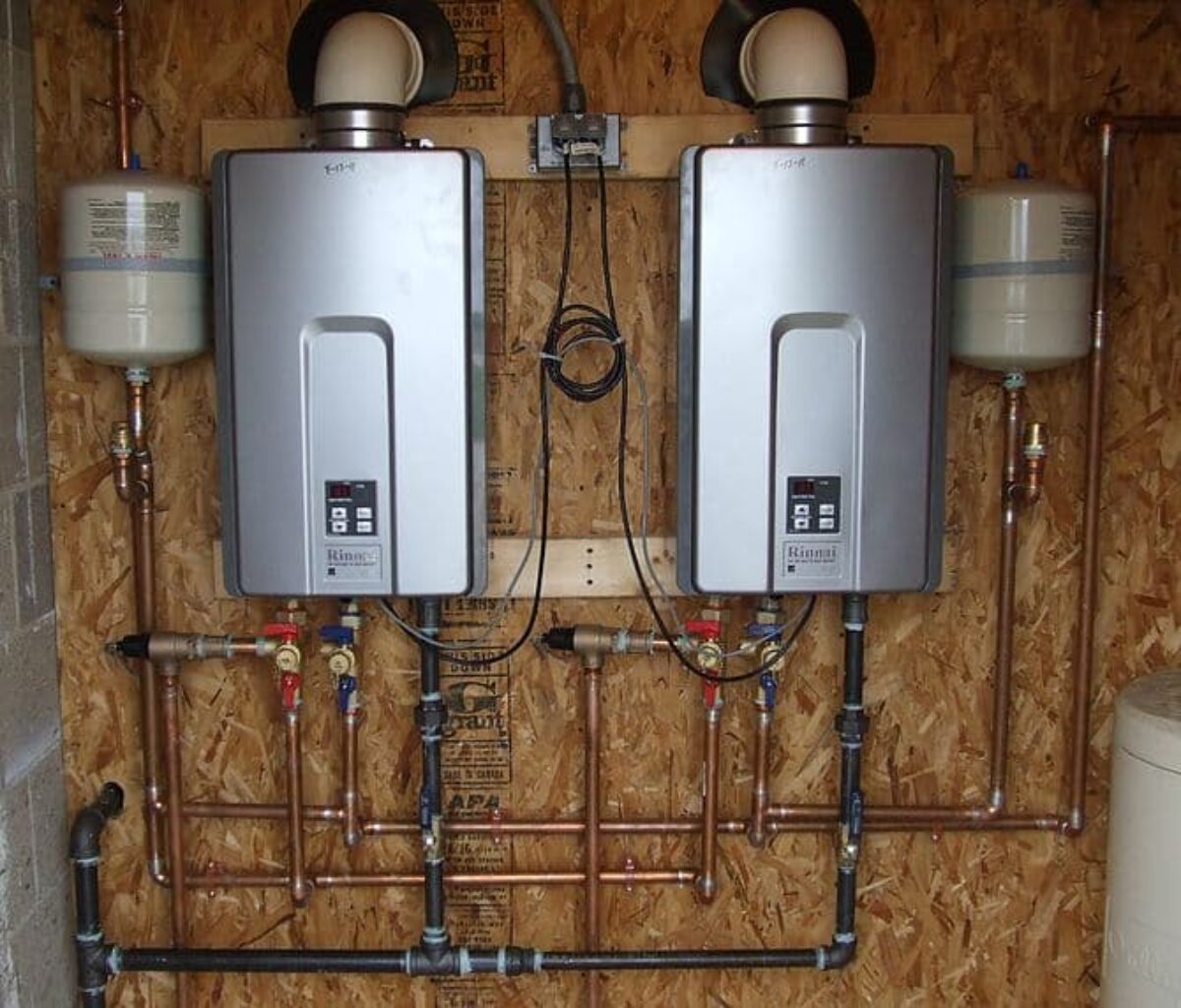
Replacing or installing an electric water heater is a common home improvement project that can boost efficiency, ensure reliable hot water, and add value to your property. Whether you’re upgrading an aging tank or setting up a new installation, following a clear plan helps you stay safe and avoid leaks. In this guide, you’ll learn practical steps for a successful install and know when to call a professional. If you want a concise briefing on the topic, refer to how-to-install-an-electric-water-heater.
Before you begin: planning and safety
Safety is the top priority with any water heater project. Electric units involve high voltage and plumbing work, so review local codes, obtain permits if required, and consider hiring a licensed electrician for the electrical portion. Turn off the power at the main breaker and shut off the cold water supply to the heater. Also, relieve pressure by opening a hot-water faucet to vent air from the system. Clear the work area and have a space ready for mounting and for the expansion tank if your plumbing is closed and requires one.
Tools and materials you’ll need
- Adjustable wrench and pipe wrench
- Teflon tape or pipe dope
- Pipe cutters and tubing
- Shut-off valves for cold and hot water lines
- Discharge pipe for the T&P valve (6–8 feet)
- Electrical tester or multimeter
- Correct gauge electrical wire and a properly rated circuit breaker (commonly 30–50 amps, depending on the unit)
- Thermostat setting around 120°F (49°C)
- Expansion tank if required by local codes or system type
- Leak sealant or pipe joint compound as recommended by the manufacturer
Step-by-step installation
- Verify that the heater’s electrical rating matches your circuit and that your panel capacity is adequate. If replacing, drain the old tank by connecting a hose to the drain valve and directing the water to a safe location.
- Position the new water heater in a suitable area with easy access to the cold-water inlet and hot-water outlet. Secure it according to the manufacturer’s instructions and ensure proper clearance for maintenance.
- Connect the cold-water supply to the cold inlet with a shut-off valve in place. Connect the hot-water outlet to the home’s hot line. Replace any old fittings with new ones and apply Teflon tape where threaded connections are required.
- Install the T&P relief valve if the unit has one and run its discharge pipe to an appropriate safe location, following local codes. Do not cap or obstruct this line.
- Make the electrical connections: ensure power is off, then connect the heater to the circuit using the correct gauge wire and secure the connection in a weatherproof or code-compliant junction box. If you’re unsure, hire a licensed electrician.
- Fill the tank by slowly opening the cold-water valve. Once water is flowing from a hot faucet, bleed air from the lines until only water runs out. This helps prevent air locks and hot spots.
- Set the thermostat to a safe starting point, typically around 120°F (49°C), and check for leaks at every connection.
- Restore power and test the system by running hot water from a faucet. Inspect again for leaks or unusual noises and ensure the unit heats properly. If problems arise, shut off power and consult a professional.
Maintenance and safety tips
After installation, perform regular maintenance to extend the life of your electric water heater. Annually inspect the T&P valve and discharge line for obstructions, check for leaks around fittings, and flush the tank to remove sediment buildup. Insulate exposed hot-water pipes to improve efficiency, and monitor the thermostat setting to maintain comfort and energy savings. If you notice corrosion, rust-colored water, or inconsistent heating, call a licensed professional to diagnose potential anode rod issues or tank wear.
Additional considerations
Some homes with closed plumbing systems or specific local regulations may require an expansion tank or pressure-reducing valve. Always follow the manufacturer’s instructions for your model and consult your local building department if you’re unsure about permits or code requirements. For a broader library of home improvement topics, visit the WritingE homepage.
For more resources and home improvement ideas, visit the WritingE homepage.
 Admin
Admin