

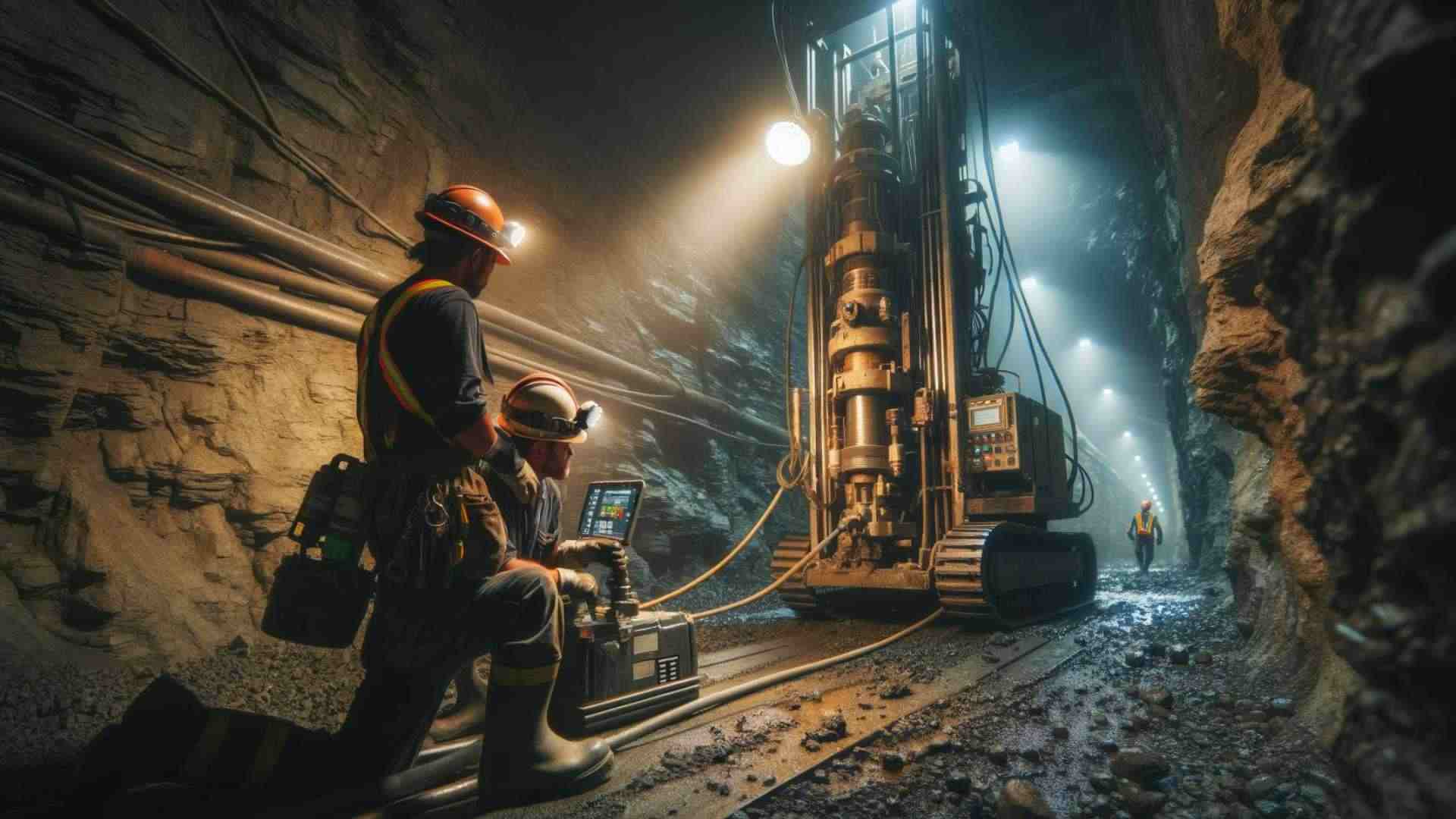
Resource exploration has evolved dramatically over the last few decades. As the demand for minerals, metals, and other natural resources continues to grow, precision and efficiency in exploration methods have become more crucial than ever. Among the tools that have revolutionized the industry, diamond drilling stands out as a cornerstone technology, offering unparalleled accuracy and reliability. This technique has not only transformed how geologists and mining engineers approach resource discovery but has also enhanced safety and reduced costs in challenging environments.
Understanding Diamond Drilling
Diamond drilling is a method of cutting through rock and other hard materials using a drill bit embedded with industrial diamonds. Unlike traditional drilling methods, diamond drilling produces a cylindrical core sample that preserves the geological structure of the rock. These cores allow geologists to study the mineral content, density, and structural integrity of the targeted area, providing critical insights before large-scale mining operations begin. The process can be adapted to both surface and underground drilling, making it versatile across different exploration projects.
The precision offered by diamond drilling is unmatched. Industrial diamonds are among the hardest substances on Earth, allowing the drill to penetrate dense rock formations with minimal wear and tear. This means less downtime for equipment maintenance and a higher success rate in retrieving accurate core samples. In modern resource exploration, such efficiency directly translates to cost savings and faster project timelines.
Advantages in Modern Resource Exploration
One of the most significant advantages of diamond drilling is its ability to obtain high-quality core samples. Unlike conventional drilling, which may crush or alter rock structures, diamond drilling maintains the integrity of the material, giving geologists a true representation of the subsurface composition. This is particularly important when exploring for precious metals, rare minerals, or unconventional resources, where precise data is necessary for assessing the economic viability of a site.
Diamond drilling is also remarkably flexible. It can be applied in remote, harsh, or environmentally sensitive locations with minimal impact. The drilling rigs are available in multiple sizes, from small portable units for limited-scale surveys to larger, industrial machines for extensive exploration. This adaptability ensures that even difficult-to-access areas can be examined effectively.
Another key benefit is safety. Modern diamond drilling rigs are designed with operator safety in mind. Advanced technologies, such as automated drill handling and remote operation, reduce the need for personnel to be directly exposed to potentially hazardous conditions. For companies engaged in exploration projects across Denmark and other regions, this safety aspect aligns with regulatory requirements and corporate responsibility standards.
Applications Across Industries
While diamond drilling is widely recognized for its role in mining, its applications extend beyond traditional resource exploration. Environmental assessments often require deep core samples to evaluate soil contamination or groundwater conditions. Construction and civil engineering projects use diamond drilling for concrete cutting, structural testing, and creating openings for utilities. The technique’s precision ensures minimal damage to surrounding materials, making it ideal for urban projects or sensitive sites.
For businesses and private projects in Denmark, professional diamond drilling services provide reliable solutions across various sectors. From infrastructure development to resource assessment, the ability to execute projects with accuracy, speed, and minimal disruption is highly valued. Services offering diamond drilling and diamond cutting in concrete have become essential partners for both large-scale commercial endeavors and smaller private undertakings.
Technological Innovations in Diamond Drilling
Technological advancements have propelled diamond drilling into new realms of efficiency and capability. Modern rigs are often equipped with computer-controlled systems that monitor drilling speed, torque, and pressure in real time. These systems allow operators to optimize drilling conditions, minimize wear on the drill bit, and reduce the likelihood of core damage.
Additionally, innovations in drill bit design have expanded the range of materials that can be effectively drilled. Diamond-impregnated bits now allow operators to penetrate ultra-hard rock formations that were previously challenging or impossible to drill. This has broadened the scope of exploration, enabling access to deeper and more complex mineral deposits.
Remote data collection and analysis tools also complement diamond drilling operations. Core samples can be digitized, photographed, and analyzed in specialized software, allowing geologists to interpret results without physically transporting every sample. This reduces logistical challenges and accelerates the decision-making process for exploration projects.
Economic and Environmental Considerations
Diamond drilling is not only a technical tool but also an economic and environmental asset. By providing precise geological data early in the exploration process, companies can make informed decisions about where to invest resources. This minimizes wasted effort on unproductive sites, reduces operational costs, and improves overall project profitability.
From an environmental perspective, diamond drilling’s minimal footprint makes it preferable to large-scale excavation methods. Smaller rigs, limited waste generation, and controlled drilling sites help reduce ecological impact, which is increasingly important as regulatory bodies impose stricter environmental standards. For Danish projects and international operations, leveraging diamond drilling aligns with both economic and environmental objectives.
The Future of Diamond Drilling
As the global demand for resources grows, the role of diamond drilling in modern exploration is likely to expand. Automation, real-time monitoring, and advanced drill materials will continue to enhance efficiency and accuracy. Companies that integrate these innovations into their operations will benefit from reduced costs, improved safety, and faster project completion times.
In Denmark, services that provide reliable professional diamond drilling and diamond cutting in concrete will continue to play a critical role across private and commercial sectors. Whether for resource exploration, infrastructure development, or specialized industrial applications, the precision and versatility of diamond drilling make it an indispensable tool for modern projects.
Conclusion
Diamond drilling has transformed the way resource exploration is conducted. Its ability to deliver precise core samples, operate safely in diverse environments, and adapt to technological innovations makes it a cornerstone of modern geology and engineering. As demand for minerals, metals, and infrastructure development grows, diamond drilling will remain essential in achieving accurate, cost-effective, and environmentally responsible exploration outcomes. For professionals and private clients alike, investing in expert diamond drilling services ensures projects are executed efficiently and reliably, reflecting the high standards expected in contemporary resource and construction sectors.