

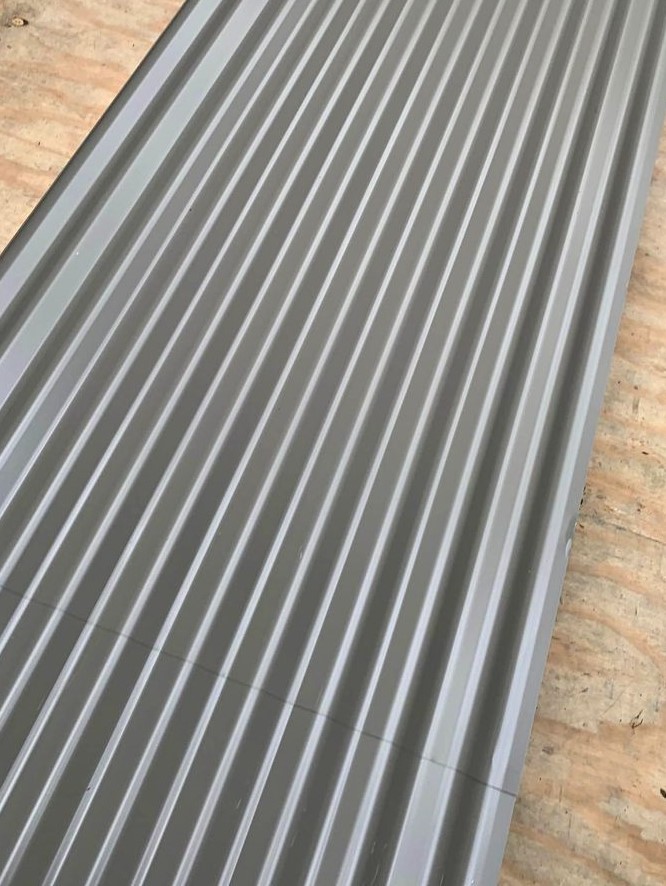
Understanding Galvanized Sheets and Their Market Behavior
Galvanized sheets are among the most widely used materials in construction, manufacturing, automotive work, roofing, and industrial projects because of their strength, corrosion resistance, and durability. Their protective zinc coating makes them ideal for long-term use in environments where moisture, chemicals, or unpredictable temperatures could cause damage. With growing demand from multiple industries, understanding how their prices shift is essential for manufacturers, contractors, builders, and suppliers. Whether you are sourcing galvanized materials for large-scale operations or smaller fabrication needs, knowing the factors that influence price changes can help you make smarter purchasing decisions. This article examines the main reasons behind cost fluctuations and how companies like ahanonline monitor these variations to help buyers plan more effectively.
Key Factors Driving Price Variations in Galvanized Sheets
Raw Material Prices and Global Steel Markets
The primary reason galvanized sheet prices fluctuate is the cost of raw steel and zinc. Steel itself is part of a highly reactive global market influenced by supply, demand, economic conditions, and energy expenses. When iron ore prices rise, steel costs typically follow, and galvanized sheets become more expensive. Zinc, used to coat steel during galvanization, also has its own independent market. Any increase in zinc prices—due to mining shortages, global financial shifts, or higher production costs—directly impacts the final price of galvanized sheets. Suppliers like ahanjam closely track global commodity prices because even small changes in zinc or steel rates can significantly affect overall sheet costs.
Production and Processing Costs
Producing galvanized sheets involves complex industrial processes such as hot-dip galvanization, continuous galvanizing, and specialized finishing treatments. Energy-intensive machinery, chemical materials, and labor all contribute to total manufacturing expenses. When electricity, fuel, or labor costs rise, production facilities adjust their pricing to compensate. Modern galvanizing plants work hard to optimize efficiency, but unpredictable increases in gas, electricity, or labor wages can still raise final sheet prices. Seasonal demand can also influence production costs; for instance, higher manufacturing activity in peak construction seasons may increase expenses due to overtime labor or resource shortages.
Thickness, Grade, and Quality of the Sheet
Not all galvanized sheets are the same. Differences in thickness, zinc coating weight, grade, and surface treatment lead to significant cost variations. Thicker sheets require more raw steel, making them more expensive. Higher zinc coating levels—indicated by coating grades—make the sheet more resistant to corrosion, but also increase zinc usage and overall cost. Premium-quality sheets with enhanced durability or specialized features such as improved paintability, anti-fingerprint layers, or structural reinforcement often come with higher pricing. Buyers must balance cost with intended application; purchasing lower-grade materials to save money can result in long-term expenses due to faster wear or the need for replacements.
Market Supply and Demand Conditions
The balance between supply and demand plays a major role in determining price variations. When construction activity increases, large-scale buyers purchase bigger volumes of galvanized sheets, pushing prices upward due to higher demand. During economic slowdowns, demand drops, causing prices to stabilize or decrease. Unexpected events such as natural disasters, geopolitical issues, or global trade policies can impact supply chains, resulting in material shortages or shipping delays. Companies like ahanjam monitor supply trends to help buyers understand when prices are likely to rise or fall.
Currency Exchange Rates and Global Trade Policies
Because galvanized sheets rely heavily on imported steel or zinc in many regions, exchange rate fluctuations can quickly influence pricing. A weaker local currency makes imported materials more expensive, which directly impacts sheet prices. Additionally, government tariffs, import restrictions, or trade agreements can affect the total cost of production and distribution. For instance, tariffs on steel imports may cause local suppliers to raise prices to balance increased import expenses.
Additional Factors Affecting Costs
Transportation and Logistics Costs
Bulk steel and galvanized products require heavy-duty transportation, often involving trucks, rail systems, or cargo ships. Rising fuel prices, global freight disruptions, or route limitations can increase delivery costs. Since transportation is a key part of the supply chain, these expenses are added to the final product price. Efficient suppliers like ahanjam work to streamline logistics, but global shipping challenges can still influence price changes.
Custom Sizes, Finishes, and Special Orders
Standard galvanized sheets are typically cheaper because they can be produced in large quantities. Custom thicknesses, lengths, or finishing treatments require additional processing time and specialized equipment, which increases manufacturing costs. Buyers requesting unique specifications should expect higher prices due to extended production steps or limited run quantities.
Local Competition and Supplier Pricing Strategies
In competitive markets, manufacturers and suppliers may adjust prices to attract buyers. Regions with many suppliers often see more stable or discounted prices, while areas with fewer manufacturers might experience higher costs due to limited options. The pricing strategies of major suppliers—including seasonal discounts, promotional offers, and bulk order rates—also influence market trends. Companies like ahanjam often provide flexible pricing structures for long-term partners or high-volume purchases.
Why Understanding Price Variations Matters
Budget Planning for Construction and Manufacturing
Cost planning is vital for maintaining profitability in construction, manufacturing, and industrial work. A sudden rise in galvanized sheet prices can affect total project budgets, forcing companies to adjust expenses or delay work. By understanding the factors that cause price variations, buyers can make strategic decisions, such as purchasing materials in advance or timing purchases during periods of low demand.
Ensuring Quality and Long-Term Value
Selecting cheaper materials without analyzing quality differences can lead to performance problems over time. Galvanized sheets that lack sufficient zinc coating or structural strength may corrode faster or fail under pressure. Accurate knowledge of pricing helps ensure you choose the right material for your project. Suppliers like ahanjam emphasize transparency in quality specifications so buyers can evaluate cost against long-term value.
Building Strong Supplier Relationships
Working with a trusted supplier makes it easier to predict cost variations and plan ahead. Transparent suppliers help customers understand when prices might rise and provide reliable information about market conditions. Strong relationships can lead to better support, timely delivery, and potential cost savings through bulk orders or negotiated rates.
Final Thoughts on Managing Galvanized Sheet Costs
Understanding why galvanized sheet prices fluctuate helps buyers make smarter purchasing decisions and maintain better control over project budgets. From raw material price changes and global market conditions to transportation costs and quality grades, several factors influence the final price. Staying informed, choosing reliable suppliers like ahanjam, and planning purchases strategically can significantly reduce unpredictability and help ensure you get the right material at the best possible value.