

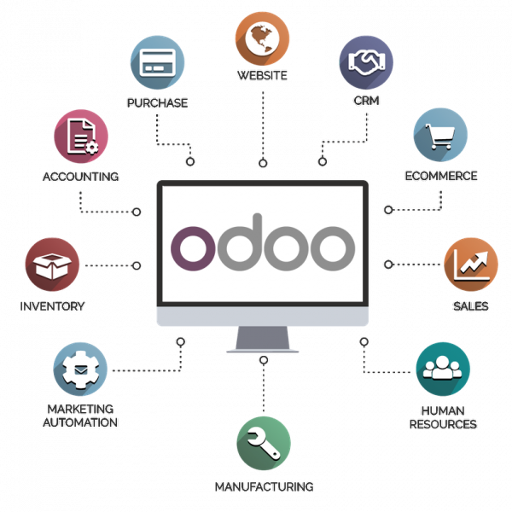
Odoo Implementation has become a cornerstone for businesses seeking integrated solutions to manage operations efficiently. In a world where companies operate in increasingly complex environments, relying on out-of-the-box software is often insufficient. Customization within Odoo ensures that each business can tailor the system to meet its specific needs, creating a more effective and seamless experience.
Why Customization Matters in Odoo Implementation
Every business operates differently. Two companies in the same industry might have vastly different workflows, reporting requirements, or customer management processes. Odoo Implementation, while robust, offers a flexible framework that can be customized to align with these unique business requirements. Without customization, companies risk inefficient processes, lower user adoption, and missed opportunities for optimization.
Customization allows businesses to mold Odoo’s standard modules to their operational realities. Whether it’s automating unique workflows, creating tailored reports, or integrating third-party systems, customization transforms Odoo from a generic ERP solution into a strategic tool that drives growth.
Identifying Business Needs Before Customization
Effective Odoo Implementation begins with a deep understanding of the business’s operations. Companies need to identify pain points, inefficiencies, and specific objectives. Consulting services and experienced Odoo partners play a crucial role at this stage, offering expertise that ensures customization efforts focus on true business needs rather than superficial preferences.
A clear mapping of processes allows the implementation team to determine which Odoo modules require customization, whether through minor adjustments, workflow automation, or complete module development. This strategic approach minimizes costs while maximizing the impact of the solution.
Types of Customization in Odoo Implementation
Customization in Odoo can range from simple configuration changes to complex programming. Some common areas include:
- User Interface Adjustments: Tailoring forms, dashboards, and menus to improve usability and align with business processes.
- Workflow Automation: Streamlining operations such as sales order approvals, purchase requisitions, or manufacturing processes.
- Custom Reports and Dashboards: Creating analytical tools that provide actionable insights specific to business goals.
- Integration with Other Systems: Connecting Odoo with external software such as e-commerce platforms, accounting systems, or logistics solutions.
- Module Development: Developing entirely new modules when standard Odoo functionality does not meet unique requirements.
These customizations ensure that the ERP system supports business strategy rather than forcing the business to adapt to software limitations.
Balancing Customization and System Stability
While customization is essential, excessive or poorly planned modifications can lead to system instability and high maintenance costs. Odoo Implementation must strike a balance between tailored solutions and maintaining the core system’s integrity.
Using best practices, such as modular development and leveraging Odoo Studio for low-code customization, can reduce risks. Additionally, regular testing during the implementation process ensures that customized features work seamlessly without disrupting existing processes.
Enhancing User Adoption Through Customization
A major challenge in ERP implementations is user adoption. Employees are more likely to embrace a system that aligns closely with their daily tasks and simplifies their workflow. Customization improves usability by presenting relevant information, automating repetitive tasks, and reducing unnecessary steps.
For example, a sales team might benefit from a customized dashboard highlighting leads, opportunities, and pending approvals, whereas a finance team may require automated reporting features that align with regulatory requirements. Tailoring the experience to each department fosters adoption, satisfaction, and productivity.
Long-Term Benefits of Tailored Odoo Implementation
Investing in customization during Odoo Implementation offers long-term advantages. Companies can:
- Increase Efficiency: Streamlined workflows reduce manual effort and errors.
- Improve Decision-Making: Custom reports and analytics provide timely insights.
- Enhance Customer Satisfaction: Tailored processes improve service delivery and responsiveness.
- Maintain Flexibility: Customizations allow businesses to adapt Odoo as operations evolve.
By treating Odoo as a dynamic tool rather than a static system, businesses position themselves for sustained growth and operational excellence.
Choosing the Right Odoo Partner for Customization
Customization requires expertise in both business processes and Odoo’s technical capabilities. Engaging a reliable Odoo partner ensures that customization is strategic, efficient, and aligned with industry best practices.
Odoo diegimo ir programavimo paslaugos, coupled with consultancy and complex solutions, provide businesses with the knowledge and technical support necessary for a successful implementation. A trusted partner with international experience and a track record of satisfied clients can guide businesses through the entire process, from requirement analysis to post-implementation support.
Conclusion
Customization is not just an optional feature of Odoo Implementation—it is a critical component that determines the system’s effectiveness. By aligning Odoo with the unique needs of a business, companies unlock operational efficiency, improve user adoption, and gain actionable insights that drive growth.
Strategic customization, guided by experienced partners, ensures that Odoo evolves alongside the business, delivering lasting value and transforming the way operations are managed. In 2026, businesses that embrace tailored Odoo Implementation are not only optimizing processes but also gaining a competitive advantage in a rapidly evolving market.
Odoo diegimo ir programavimo paslaugos, supported by consultancy and integrated solutions, remains a trusted pathway for companies seeking to leverage the full potential of their ERP systems.