

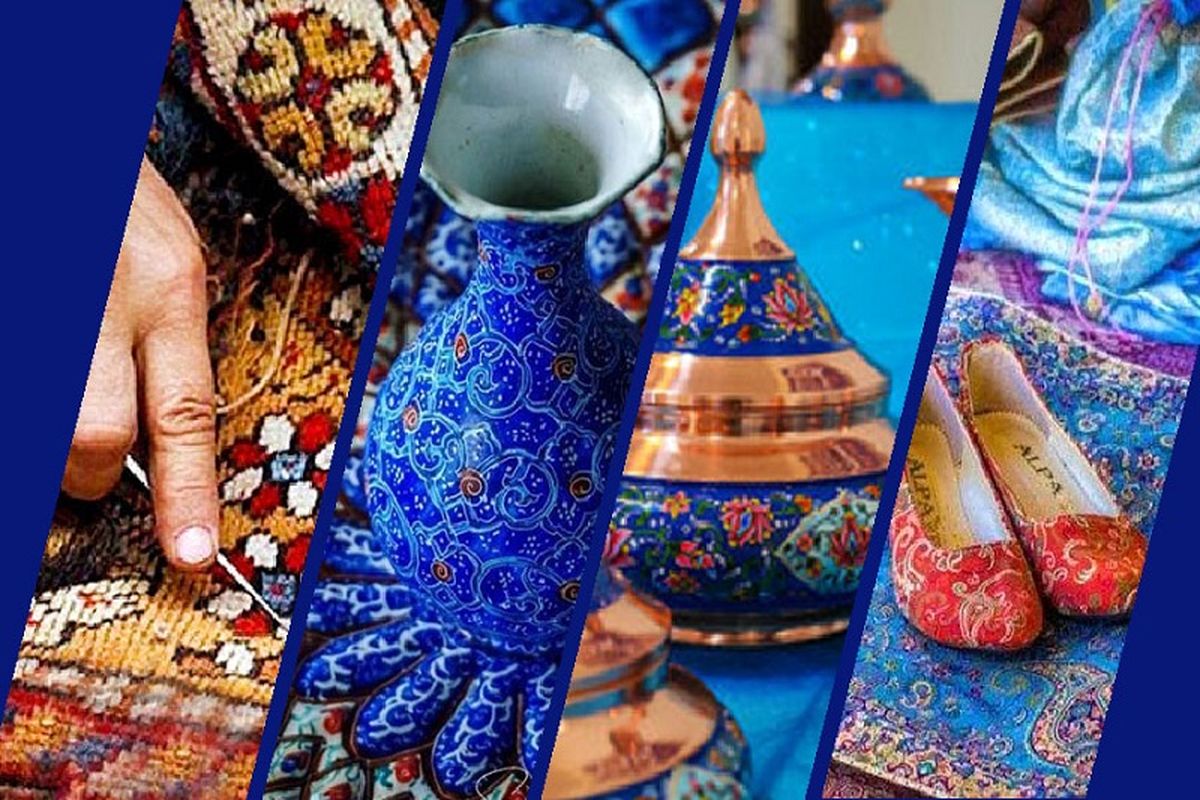
Handicrafts are more than just decorative objects or souvenirs. They represent the soul of a culture, carrying centuries of tradition, craftsmanship, and artistic expression. In today’s fast-paced world, mass-produced goods dominate the market, often overshadowing the unique value of handmade items. However, choosing to support local artisans by خرید صنایع دستی not only benefits the craftsperson economically but also ensures the preservation of cultural heritage for future generations.
The Cultural Significance of Handicrafts
Handicrafts are deeply rooted in the history and traditions of communities around the world. Each piece tells a story, often reflecting the region’s history, beliefs, and social values. For example, Persian carpets are renowned not only for their intricate patterns but also for their representation of local myths and storytelling traditions. Similarly, handmade pottery, textiles, and jewelry from various regions are imbued with symbolic meanings passed down through generations. By خرید صنایع دستی, individuals actively participate in keeping these cultural narratives alive, turning everyday items into carriers of heritage.
Moreover, handmade crafts often incorporate techniques that have been refined over centuries. Unlike mass-produced items, which are designed for efficiency and uniformity, handicrafts demand attention to detail, patience, and skill. Supporting these traditional methods helps prevent the disappearance of techniques that are integral to a community’s identity. Each stitch, carve, or brushstroke is a testament to the artisan’s dedication and the cultural significance of their work.
Economic Benefits for Local Artisans
Purchasing handicrafts directly impacts the livelihoods of local artisans. Many craftspeople rely entirely on their skills to support their families, and the global demand for cheap, mass-produced goods has often threatened their way of life. By investing in authentic handmade products, buyers provide economic stability, allowing artisans to continue their work and train the next generation.
In many developing regions, handicraft production is a crucial source of employment, especially for women and marginalized communities. Programs promoting خرید صنایع دستی often focus on empowering these groups, giving them the financial independence needed to improve their living conditions. The ripple effect extends beyond individual artisans; thriving handicraft communities contribute to the local economy by attracting tourism, fostering related industries, and encouraging cultural exchange.
Environmental Advantages of Handicrafts
Handicrafts are typically produced using natural, sustainable materials and traditional methods that have minimal environmental impact. Unlike industrial manufacturing, which consumes significant energy and produces considerable waste, handmade items are often created with an emphasis on ecological responsibility.
By خرید صنایع دستی, consumers are indirectly supporting environmentally friendly practices. Many artisans use locally sourced materials, reducing transportation emissions and promoting the sustainable use of natural resources. Additionally, the longevity of handmade items encourages a shift away from disposable culture, as these products are designed to last and often become cherished heirlooms passed through generations.
Strengthening Cultural Identity
Handicrafts serve as a bridge between the past and the present, reinforcing cultural identity in an increasingly globalized world. For diasporic communities, owning or gifting handmade items is a tangible connection to their roots. These objects are more than material possessions; they are expressions of identity, memory, and belonging.
By خرید صنایع دستی, people can celebrate and promote their cultural heritage while educating others about its significance. Exhibiting or using handmade items in daily life fosters appreciation for the artistry involved and encourages cross-cultural understanding. This shared respect can lead to cultural preservation on a broader scale, ensuring that unique traditions do not fade away amid global homogenization.
Promoting Creativity and Innovation
While rooted in tradition, handicrafts are not stagnant. Artisans often blend classic techniques with contemporary designs, resulting in innovative creations that appeal to modern tastes while honoring heritage. This combination of tradition and innovation is only possible when there is demand for authentic, handcrafted products.
Purchasing handicrafts encourages artisans to experiment and evolve their skills, keeping their work relevant and inspiring. Through خرید صنایع دستی, buyers support a living culture of creativity, where each piece is both a continuation of history and a unique expression of the artisan’s vision.
Building Meaningful Connections
Buying handicrafts fosters a personal connection between the buyer and the maker. Unlike mass-produced goods, which are created anonymously, handmade items carry the story, effort, and personality of the artisan. Markets, exhibitions, and online platforms that promote خرید صنایع دستی often allow buyers to learn directly from craftspeople, gaining insight into the cultural and technical aspects of the work.
These connections transform a simple transaction into a meaningful exchange. Buyers gain an appreciation for the craft, while artisans receive recognition for their talent and dedication. This mutual respect strengthens communities and reinforces the importance of preserving these skills for future generations.
Challenges and Solutions
Despite the many benefits of handicrafts, artisans face challenges such as limited market access, competition from counterfeit products, and lack of awareness among consumers. Supporting initiatives that protect intellectual property rights, certify authenticity, and promote fair trade practices can help overcome these obstacles.
Governments, NGOs, and cultural organizations play a critical role in raising awareness about the value of خرید صنایع دستی. Educational campaigns, craft fairs, and online platforms can connect artisans with buyers worldwide, ensuring that traditional crafts remain viable in the modern economy.
Conclusion
The act of خرید صنایع دستی is much more than a simple purchase; it is a commitment to preserving culture, supporting artisans, promoting sustainability, and celebrating creativity. Each handcrafted piece embodies history, skill, and identity, offering buyers a connection to a rich cultural heritage that cannot be replicated by mass-produced goods.
By choosing to support handicrafts, individuals contribute to a cycle of preservation and innovation, ensuring that traditional skills survive and thrive for generations to come. In a world where convenience often overshadows authenticity, investing in handmade items is an intentional choice—one that values people, culture, and creativity over fleeting trends. Every purchase is a step toward sustaining the artistic soul of communities around the world.
Handicrafts are not just products; they are living embodiments of tradition. Embracing and promoting خرید صنایع دستی ensures that these traditions continue to inspire, educate, and enrich our lives for years to come.