

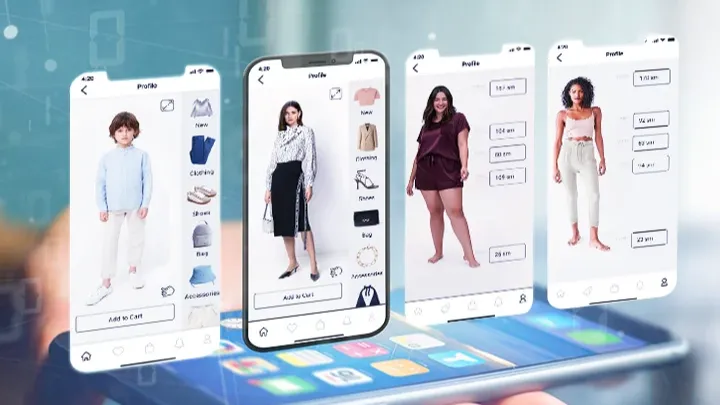
The Rise of Virtual Outfit Try-On Tools
In the rapidly evolving world of online shopping, consumers are constantly seeking ways to make their purchasing decisions more informed and convenient. One of the most transformative innovations in this space is the virtual outfit try-on tool. This technology allows shoppers to visualize how clothing items will look on their bodies without physically trying them on. With the integration of augmented reality and artificial intelligence, virtual outfit try-on tools are becoming an essential feature for fashion retailers aiming to enhance the shopping experience and reduce return rates virtual outfit try on tool.
Virtual outfit try-on tools have grown in popularity because they bridge the gap between the physical and digital shopping worlds. Traditional online shopping relies heavily on product images, size charts, and customer reviews, but these methods often leave room for uncertainty. Consumers may hesitate to buy clothes online due to concerns about fit, style, and overall appearance. Virtual outfit try-on tools address these challenges by offering a realistic simulation of how clothing will appear on the user, boosting confidence in online purchases.
How Virtual Outfit Try-On Tools Work
The technology behind a virtual outfit try-on tool combines several advanced systems, including 3D modeling, body scanning, and artificial intelligence. When a shopper uses the tool, they can either upload a photo of themselves or use a live camera feed. The tool then maps the body shape, size, and proportions of the user, allowing the virtual garments to fit realistically on the digital representation of their body.
Many virtual outfit try-on tools also allow users to adjust sizes, colors, and styles, giving them a personalized shopping experience. Some advanced systems use machine learning algorithms to recommend outfits based on the user’s body type, previous purchases, and fashion preferences. This level of personalization ensures that shoppers are not only trying on clothes virtually but also discovering new styles that suit them best.
Benefits for Consumers
One of the most significant advantages of using a virtual outfit try-on tool is convenience. Shoppers no longer need to visit physical stores to try on multiple outfits. This is especially beneficial for busy individuals who prefer online shopping but want to make sure their choices are accurate.
Another benefit is enhanced confidence in purchasing decisions. By visualizing clothing on their own body, consumers can better judge how an item fits and whether it matches their style. This reduces the likelihood of disappointment when the product arrives, resulting in higher satisfaction rates.
Virtual outfit try-on tools also promote inclusivity by catering to a wide range of body shapes and sizes. Users can see how clothes will look on their unique body type, rather than relying solely on standard size charts, which often fail to represent the diversity of real bodies.
Advantages for Retailers
For retailers, integrating a virtual outfit try-on tool can have a profound impact on sales and customer retention. By providing a realistic and engaging shopping experience, retailers can increase conversion rates, as customers are more likely to complete purchases when they are confident in their choices.
Additionally, these tools help reduce return rates, which is a significant challenge in e-commerce. Many online clothing returns occur due to size or fit issues. Virtual outfit try-on tools allow shoppers to virtually assess these factors before purchasing, minimizing the chances of returns and associated costs for retailers.
Retailers also benefit from data insights collected through virtual try-on tools. By analyzing user interactions, preferences, and engagement patterns, brands can refine their inventory, improve product recommendations, and tailor marketing strategies to meet consumer demands more effectively.
Impact on the Fashion Industry
The introduction of virtual outfit try-on tools is reshaping the fashion industry in several ways. Firstly, it is accelerating the adoption of digital-first retail strategies. Brands that implement these tools position themselves as innovative and customer-centric, attracting tech-savvy shoppers who value convenience and personalization.
Secondly, virtual try-on technology is promoting sustainability in fashion. By reducing returns and enabling more informed purchasing decisions, it helps decrease waste associated with discarded clothing. Shoppers are less likely to buy items impulsively and then return them, contributing to a more eco-friendly shopping cycle.
Finally, this technology encourages experimentation with fashion. Users can try on bold styles, mix and match outfits, and explore trends they might not have considered in a physical store. This opens the door to more creative self-expression and a more engaging online shopping journey.
Future Developments
The future of virtual outfit try-on tools looks incredibly promising. As technology continues to evolve, we can expect even more realistic simulations, including dynamic movement and fabric behavior. Advanced AI will allow for more accurate body scanning and size predictions, further enhancing the shopping experience.
Integration with social media platforms is another likely development. Users may soon share their virtual try-ons directly with friends and followers, adding a social dimension to the shopping experience. This not only helps consumers get feedback but also serves as a powerful marketing tool for brands.
Moreover, the combination of virtual outfit try-on tools with other digital technologies like augmented reality shopping apps and smart mirrors could create a fully immersive fashion experience. Shoppers will be able to visualize entire wardrobes, experiment with different looks, and make purchases seamlessly, all from the comfort of their homes.
Conclusion
Virtual outfit try-on tools are revolutionizing online shopping by providing consumers with convenience, confidence, and a personalized experience. They bridge the gap between digital and physical shopping, allowing shoppers to see how clothes fit and look before making a purchase. For retailers, these tools improve conversion rates, reduce returns, and offer valuable insights into consumer behavior.
As technology continues to advance, the impact of virtual outfit try-on tools will only grow, shaping the future of fashion and e-commerce. By enhancing the shopping experience, promoting sustainability, and encouraging creative self-expression, these tools are not just a trend—they are a fundamental shift in the way we shop for clothing online.