

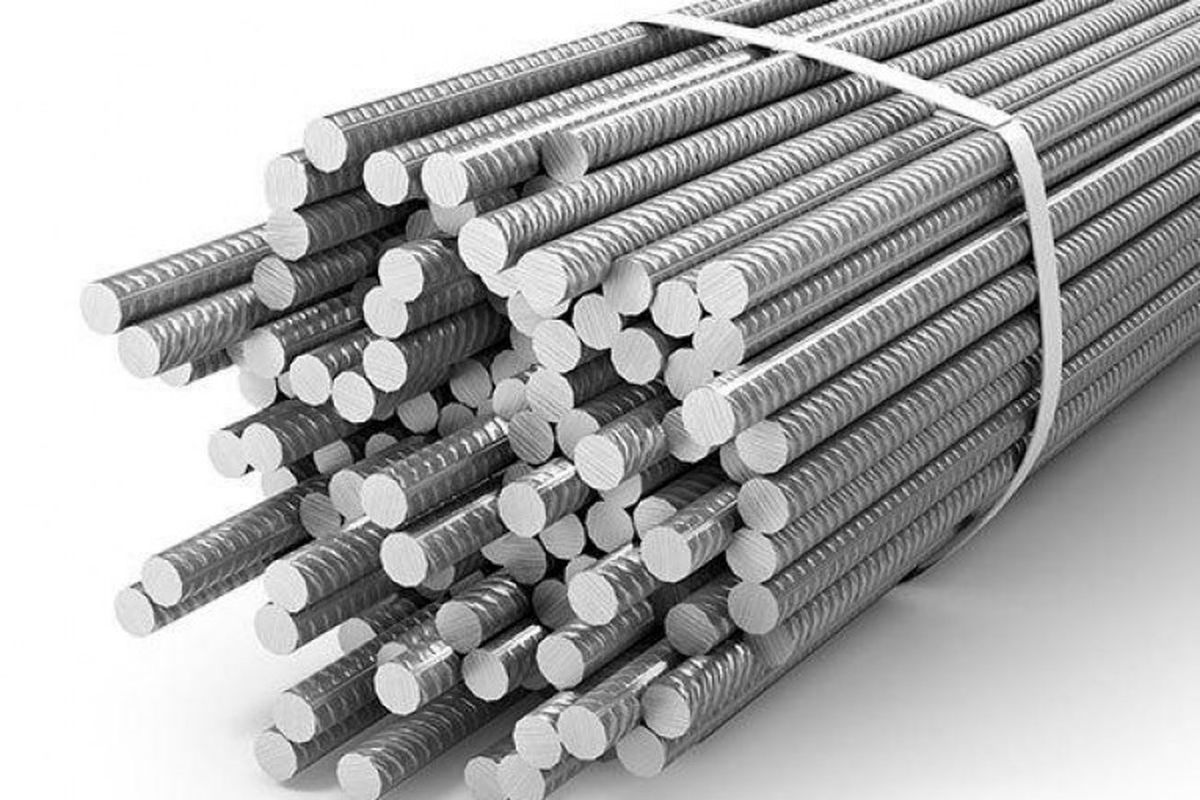
Understanding میلگرد and Its Role in Construction
میلگرد, commonly known as rebar or reinforcing steel, is a fundamental component in modern construction projects. Its primary purpose is to enhance the strength and durability of concrete structures. Concrete, while excellent in compression, is weak under tension, and this is where میلگرد plays a critical role. By embedding میلگرد within concrete, engineers can significantly increase the tensile strength of structures, preventing cracks and failures over time.
The use of میلگرد is not limited to a particular type of construction. From residential buildings and commercial complexes to bridges and high-rise structures, میلگرد ensures that constructions can withstand both daily stresses and extreme conditions such as earthquakes, strong winds, and heavy loads. Its importance has grown with the rising demand for safe, durable, and resilient infrastructure.
Key Benefits of Using میلگرد
Enhanced Structural Strength
One of the primary benefits of میلگرد is the enhancement of structural integrity. By reinforcing concrete, میلگرد allows buildings and infrastructure to bear heavy loads without compromising stability. The tensile strength provided by میلگرد ensures that structures can withstand bending, stretching, and other forces that concrete alone cannot resist. This makes it indispensable in high-stress areas like beams, columns, and slabs.
Longevity and Durability
میلگرد contributes significantly to the longevity of structures. It prevents concrete from cracking under tension and reduces the risk of structural failure over time. High-quality میلگرد, when combined with proper construction techniques, can extend the lifespan of a building by decades, making it a cost-effective investment in the long term. Additionally, corrosion-resistant میلگرد is available for projects exposed to moisture and harsh environmental conditions, further increasing durability.
Flexibility in Design
Modern construction projects often require innovative architectural designs, including curved structures, cantilevers, and high-rise towers. میلگرد offers the flexibility to meet these design challenges. It can be shaped, bent, and placed according to specific structural needs, allowing engineers and architects to achieve both aesthetic appeal and functional strength. This versatility makes میلگرد a preferred material in contemporary construction practices.
Earthquake Resistance
In regions prone to seismic activity, میلگرد is critical for constructing earthquake-resistant buildings. The combination of concrete and میلگرد forms a composite material capable of absorbing and distributing seismic forces. Properly reinforced structures can flex without collapsing during tremors, significantly reducing the risk of casualties and property damage. Engineers carefully calculate the placement and quantity of میلگرد to optimize safety in earthquake-prone areas.
Cost-Effectiveness
Although میلگرد adds to the initial construction cost, it is cost-effective in the long run. By preventing structural failures, reducing repair needs, and increasing the lifespan of buildings, میلگرد minimizes maintenance expenses over time. Investing in high-quality میلگرد ensures that the structure remains safe and functional for decades, offering substantial economic benefits to developers and property owners.
Applications of میلگرد in Modern Construction
Residential Buildings
In residential construction, میلگرد is widely used to reinforce foundations, beams, columns, and slabs. Homes built with reinforced concrete structures are safer, more durable, and capable of handling higher loads than those constructed with non-reinforced materials. میلگرد ensures that residential buildings can endure environmental stresses such as wind, rain, and soil movements without compromising structural integrity.
Commercial and Industrial Projects
Commercial complexes, office buildings, factories, and warehouses require robust construction materials to support large spans, heavy equipment, and high occupancy loads. میلگرد provides the necessary reinforcement for these structures, enhancing their strength and stability. Industrial facilities often face vibrations and dynamic loads from machinery, and reinforced concrete with میلگرد is essential to withstand these stresses without structural damage.
Bridges and Infrastructure
Bridges, highways, and tunnels are examples of infrastructure that demand high strength and durability. میلگرد is extensively used in these projects to reinforce concrete, ensuring it can carry heavy traffic loads and resist environmental wear and tear. The use of میلگرد in infrastructure projects not only improves safety but also reduces the frequency of repairs, leading to longer-lasting and more reliable transportation networks.
High-Rise and Skyscraper Construction
High-rise buildings and skyscrapers require advanced engineering solutions to resist wind forces, seismic activity, and vertical loads. میلگرد provides the tensile strength needed to support these towering structures. Engineers design complex reinforcement patterns with میلگرد to ensure stability, flexibility, and safety, making it a cornerstone of modern vertical construction.
Water Retaining Structures
Dams, water tanks, reservoirs, and sewage systems are subjected to both internal water pressure and environmental forces. میلگرد reinforces concrete in these water-retaining structures, preventing leaks, cracks, and failures. Corrosion-resistant میلگرد is particularly important in these applications, ensuring that structures remain functional and safe over extended periods.
Quality Considerations and Standards
The performance of میلگرد in construction heavily depends on its quality. High-quality میلگرد must meet strict industry standards regarding tensile strength, ductility, and corrosion resistance. Engineers must select the appropriate grade and diameter of میلگرد based on project specifications to ensure optimal performance. Proper storage and handling of میلگرد are also essential to prevent rust and damage before installation.
Conclusion
میلگرد plays an indispensable role in modern construction, providing strength, durability, and flexibility to concrete structures. Its applications range from residential homes to massive infrastructure projects, making it a versatile and essential material in the construction industry. By enhancing structural integrity, increasing lifespan, supporting innovative designs, and improving earthquake resistance, میلگرد ensures that modern buildings and infrastructure are safe, reliable, and sustainable. Its cost-effectiveness and adaptability further solidify its position as a cornerstone of contemporary engineering practices. The continued advancement of construction technology and the demand for resilient structures will only increase the significance of میلگرد in shaping the skylines and infrastructure of the future.