

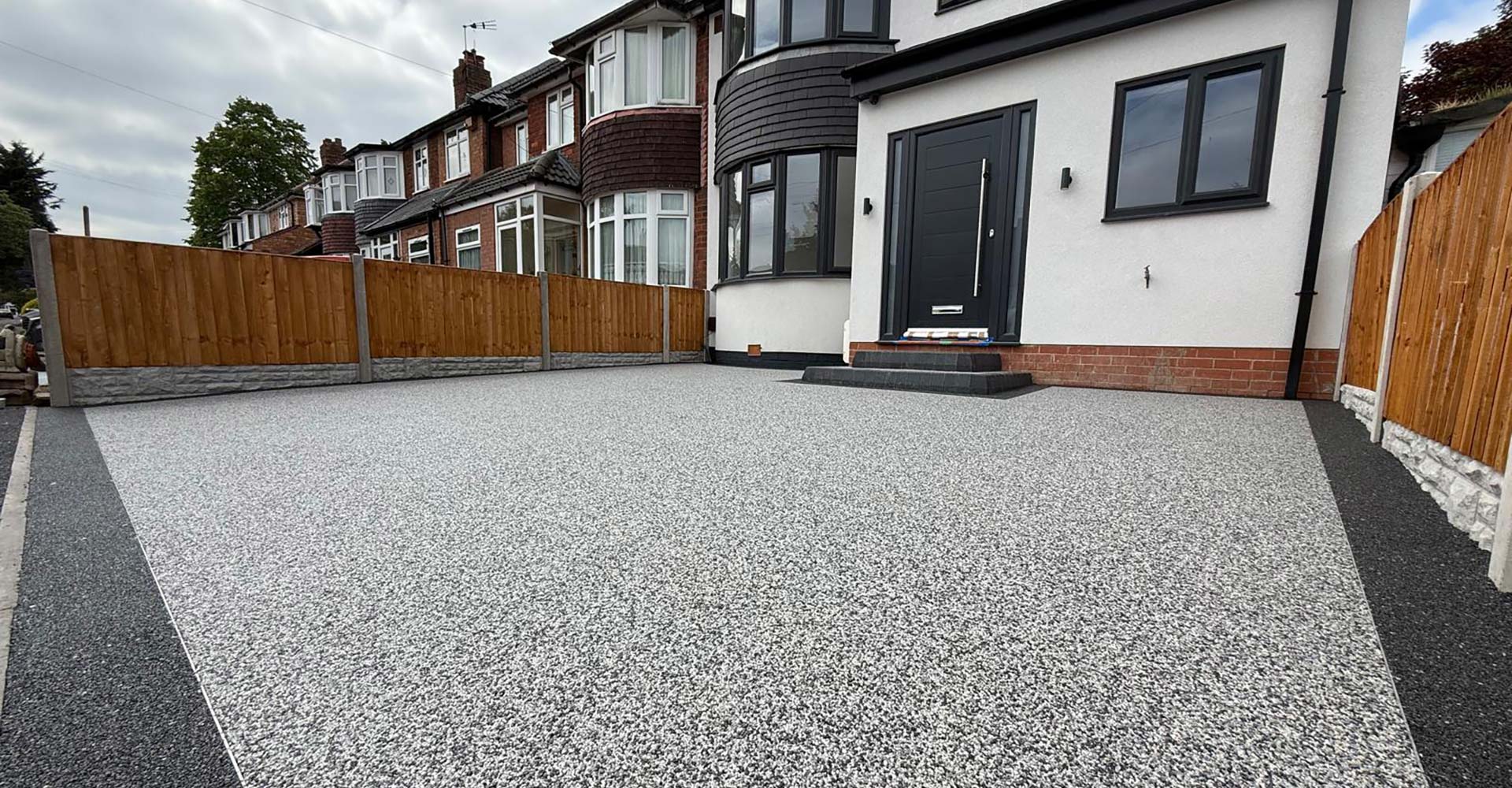
Investing in a resin driveway can dramatically enhance the curb appeal and functionality of your property. Known for their durability, low maintenance, and attractive finish, resin driveway have become increasingly popular among homeowners. However, understanding the cost factors associated with installing a resin driveway is crucial for making an informed decision. This article explores the key elements that influence the cost and offers insights into what you should consider before installation.
What is a Resin Driveway
A resin driveway is a type of surface made by mixing aggregate stones with a resin binder. This combination creates a smooth, hard-wearing surface that is permeable, allowing water to drain through naturally. Resin driveways are available in a wide range of colors and finishes, giving homeowners the flexibility to match their property’s aesthetic. The seamless surface not only looks modern and attractive but also reduces the growth of weeds and minimizes puddling, which is common with traditional paving solutions.
Factors Affecting the Cost of a Resin Driveway
Several factors determine the overall cost of installing a resin driveway. By understanding these elements, you can better estimate your budget and avoid unexpected expenses.
1. Size of the Driveway
The total area of your driveway is one of the most significant cost determinants. Resin driveways are typically priced per square meter, so larger driveways naturally require more materials and labor. A standard driveway for a single car may cost significantly less than a double or triple driveway. Additionally, the shape of the driveway can impact costs; intricate curves or unusual layouts require more precise cutting and fitting, which can increase labor charges.
2. Type and Quality of Resin
Not all resins are created equal. The quality of the resin binder can affect both the durability and cost of the driveway. High-quality resins tend to be more expensive but offer better longevity, resistance to UV rays, and a smoother finish. Cheaper resins might save money initially but could result in cracking, discoloration, or the need for repairs sooner than expected. Choosing a reputable brand and understanding the warranty terms can help ensure a long-lasting installation.
3. Choice of Aggregate Stones
The type of stones used in the resin mixture also plays a role in cost. Aggregates come in various sizes, colors, and types, including natural stone, recycled stone, or synthetic alternatives. Premium stones may provide a more appealing appearance and improved durability but will increase the overall price. The choice of aggregate should balance aesthetic preference with practical considerations such as slip resistance and long-term wear.
4. Site Preparation
Proper site preparation is critical for a successful resin driveway. Costs may rise depending on the current state of the area. If your driveway site requires significant leveling, removal of existing surfaces, or soil stabilization, these tasks add to the overall expense. Additionally, installing proper edging and drainage solutions is essential to prevent future cracking or water pooling. Although this preparation can increase upfront costs, it ensures the longevity and performance of your driveway.
5. Labor Costs
The installation of a resin driveway is labor-intensive and requires skilled professionals. Labor costs can vary depending on your location, the complexity of the project, and the experience of the contractors. Opting for experienced installers may be more expensive initially, but it reduces the risk of errors that could lead to costly repairs in the future. Discussing labor charges in advance and obtaining multiple quotes can help you make an informed decision.
6. Additional Features
Some homeowners choose to include extra features in their resin driveway to enhance functionality or aesthetics. These may include decorative patterns, borders, or lighting elements. While these features can elevate the overall appearance of the driveway, they also add to the cost. Consider which features are necessary for your needs versus those that are purely decorative to manage expenses effectively.
7. Maintenance Considerations
Although resin driveways are relatively low maintenance, there are still minor upkeep costs to consider. Regular cleaning, moss or weed control, and occasional resealing can help maintain the driveway’s appearance and performance. Factoring in these maintenance costs will give a more accurate picture of the total investment over time. Choosing a resin type and aggregate that require minimal upkeep can reduce long-term costs.
Average Cost of a Resin Driveway
The cost of installing a resin driveway can vary widely depending on the factors outlined above. On average, homeowners can expect to pay between £50 and £100 per square meter. High-end installations with premium materials, custom designs, and complex site preparation may reach £120 or more per square meter. It is important to note that these prices usually include both materials and labor, but always clarify with your contractor to avoid hidden fees.
Benefits That Justify the Cost
While resin driveways may have a higher initial cost compared to traditional tarmac or gravel driveways, the benefits often justify the investment. Resin driveways are:
- Durable and Long-Lasting: Properly installed resin driveways can last 15-25 years without significant repairs.
- Low Maintenance: Minimal upkeep is required, and cleaning is straightforward.
- Aesthetically Versatile: A wide range of colors and finishes allows customization.
- Permeable and Eco-Friendly: They allow water drainage, reducing flooding risk and promoting sustainable drainage.
- Weed and Pest Resistant: The seamless surface prevents weed growth and deters pests.
Considering these advantages, the higher upfront cost can be offset by long-term savings and the enhanced value of your property.
Tips for Managing Resin Driveway Costs
- Obtain Multiple Quotes: Comparing estimates from different contractors ensures competitive pricing.
- Choose Materials Wisely: Opt for high-quality resin and suitable aggregate to minimize future repairs.
- Plan for Site Preparation: Addressing drainage and leveling issues upfront prevents expensive corrective work later.
- Limit Decorative Additions: Focus on functional improvements over purely decorative elements if budget is tight.
- Schedule Maintenance: Regular cleaning and inspections prolong the driveway’s life and reduce repair costs.
Conclusion
Installing a resin driveway is a worthwhile investment that offers durability, visual appeal, and long-term functionality. The total cost depends on several factors, including size, material quality, site preparation, labor, and additional features. By carefully considering these elements and planning your project accordingly, you can achieve a high-quality, attractive resin driveway that enhances your property and stands the test of time. A well-installed resin driveway not only elevates the look of your home but also provides a practical, low-maintenance solution for years to come.