

Understanding Why Mold Forms After Flooding
Mold growth is one of the most serious consequences homeowners face after a flood. When water saturates walls, floors, carpets, and personal belongings, moisture becomes trapped in enclosed spaces. This trapped moisture creates the perfect breeding ground for mold, which can begin forming within just 24 to 48 hours. Quick and effective restoration is essential to prevent contamination, structural damage, and health risks. Mold spores thrive in damp, dark environments, and once they take hold, they can spread rapidly throughout the home. Understanding the reasons behind mold formation helps homeowners move faster and more confidently in the aftermath of a flood Water Damage Restoration.
Immediate Steps To Take Right After a Flood
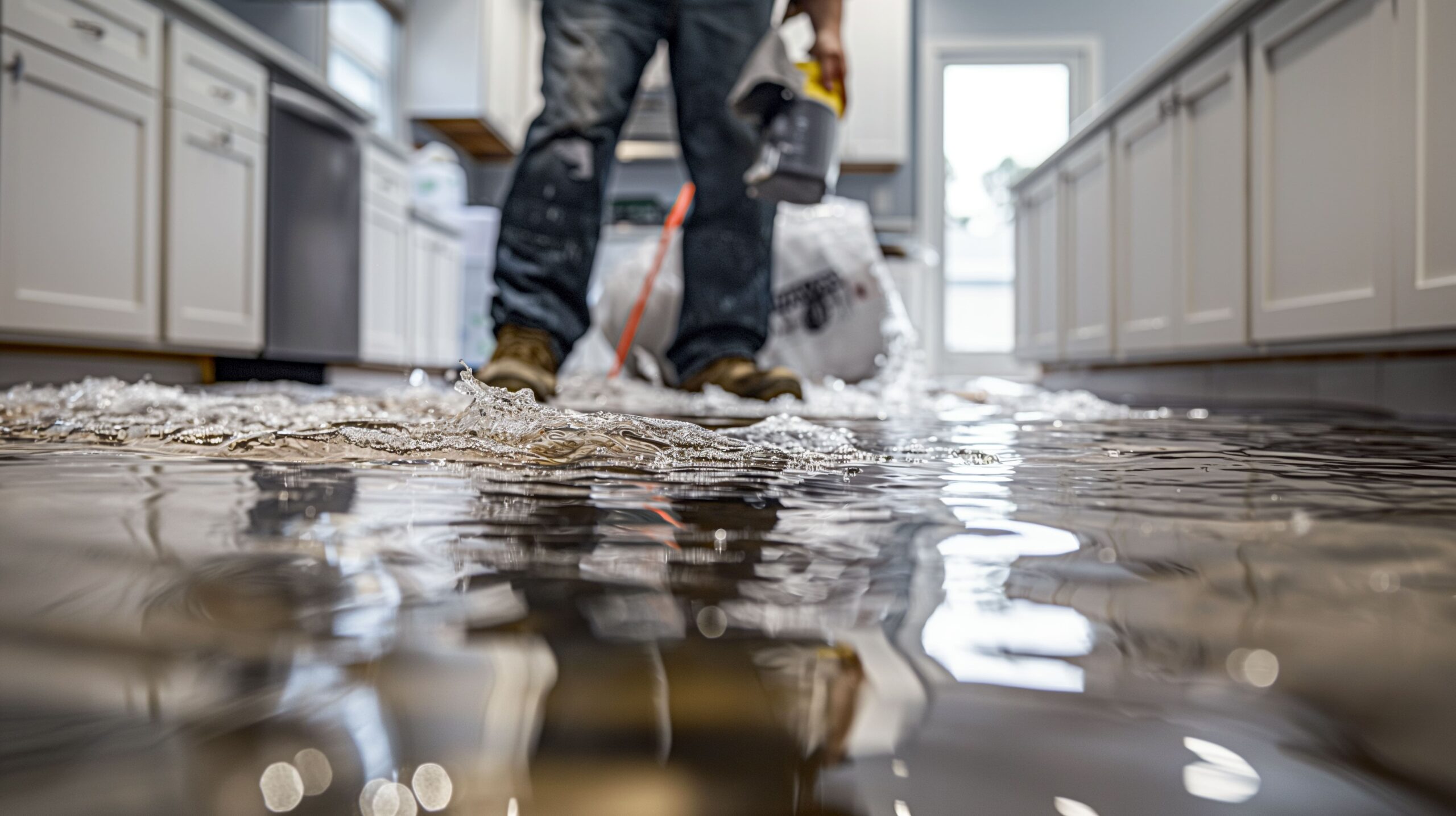
The first few hours following a flood are critical. Acting quickly can significantly reduce the risk of mold growth and accelerate the restoration process. Start by ensuring the home is safe to enter. Turn off electricity in affected areas to prevent hazards, and wear protective gear such as gloves and a mask. Once it’s safe, begin removing standing water as rapidly as possible. Use pumps, wet vacuums, or buckets to extract water from floors and basements. The longer water remains inside your home, the higher the chance mold will develop. Remove wet furniture, carpets, and rugs immediately since they hold moisture and can become mold hotspots. Even items that appear only slightly damp can still harbor spores, so drying everything thoroughly is essential.
How Proper Ventilation Supports Mold Prevention
One of the most effective strategies in preventing mold after a flood is improving airflow. Good ventilation helps moisture evaporate faster and prevents damp air from lingering in the home. Open all windows and doors to allow fresh air to circulate. Use fans, blowers, and ventilation systems to speed up the drying process. If you have a dehumidifier, place it in the center of the affected area to pull excess moisture out of the air. Proper ventilation is a powerful component of the restoration process because it minimizes humidity, and mold cannot thrive in dry environments. Homeowners should keep airflow constant until all surfaces feel completely dry to the touch.
Importance of Professional Drying and Dehumidification
While DIY measures can help, professional equipment is often required for deep and effective drying. Floodwater seeps into walls, subfloors, insulation, and behind baseboards—areas that are difficult to dry without specialized tools. Professional restoration teams use industrial-grade dehumidifiers, moisture meters, and air movers to detect hidden moisture and eliminate it thoroughly. This advanced equipment ensures that no damp pockets remain, reducing the possibility of mold forming in unnoticed areas. Additionally, professionals understand how different materials absorb and release moisture, which ensures accurate drying times and prevents secondary damage such as wood warping or paint deterioration.
Removing Contaminated Materials To Prevent Mold
Some materials simply cannot be saved after severe flooding. Items like soaked drywall, insulation, cardboard boxes, and certain types of carpeting absorb water deeply and retain moisture for long periods. These materials become ideal breeding grounds for mold, so removing them promptly is essential. During the restoration process, cut away saturated drywall at least a foot above the waterline to ensure all moisture-affected areas are removed. Dispose of insulation that has been in contact with floodwater, as it cannot be thoroughly cleaned or dried. Even heavy furniture and upholstery may need removal if they have absorbed too much water. Eliminating these materials early helps stop mold from spreading through the home.
Cleaning and Disinfecting All Surfaces
Once affected materials are removed and drying has begun, the next critical step is cleaning and disinfecting all surfaces. Floodwater can contain bacteria, chemicals, and debris, making thorough sanitation essential. Scrub walls, floors, and hard surfaces with detergent and warm water to remove dirt. After cleaning, apply a disinfectant to kill any remaining contaminants and reduce the risk of mold. Special attention should be given to corners, cracks, and crevices where moisture can hide. Proper cleaning is a key part of successful restoration, as mold thrives not only on moisture but also on organic residue left behind by floodwater.
Monitoring Humidity Levels During Restoration
Controlling indoor humidity is vital to prevent mold from returning after drying. Mold begins to grow when humidity levels exceed 60 percent, so monitoring moisture with a hygrometer is highly recommended. Keep dehumidifiers running until humidity consistently stays within a safe range. Regularly check walls, floors, and furniture for signs of lingering dampness. Even when a home looks dry, certain areas can still hold moisture internally, making ongoing monitoring a critical part of the restoration process. Homeowners should also avoid using central heating or air conditioning too early, as these systems can circulate moist air throughout the home if not fully dry.
Preventing Mold in HVAC Systems
Flooding can also affect heating and cooling systems, which can quickly spread mold if not addressed. If water reached your HVAC unit or ductwork, turn the system off immediately and avoid using it until it has been inspected by a professional. Moisture inside ducts creates a hidden environment where mold can thrive and then circulate through the entire house. Professional cleaning and restoration of HVAC systems ensure that no residual moisture or spores remain. Filters should be replaced, and ducts thoroughly sanitized to maintain clean, safe indoor air quality.
Long-Term Prevention Strategies For Mold
Once initial restoration is complete, homeowners should take steps to prevent mold growth in the long term. Improve drainage around the home by ensuring gutters and downspouts direct water away from the foundation. Seal cracks in walls, windows, and floors to minimize water intrusion during future storms. Consider installing a sump pump or backflow valve in basements prone to flooding. Regularly inspect the home for leaks, damp spots, or condensation buildup. Maintaining a dry environment year-round helps ensure that mold does not return after restoration.
Why Fast Action Saves Your Home
The most important factor in preventing mold after a flood is speed. Delaying even a few hours can allow moisture to settle deeply into materials, making restoration more difficult and mold prevention more challenging. Quick extraction, efficient drying, proper ventilation, and thorough cleaning create a strong defense against mold. By acting immediately and using professional restoration methods, homeowners can save thousands of dollars in repairs and protect the health and safety of everyone living in the home.