

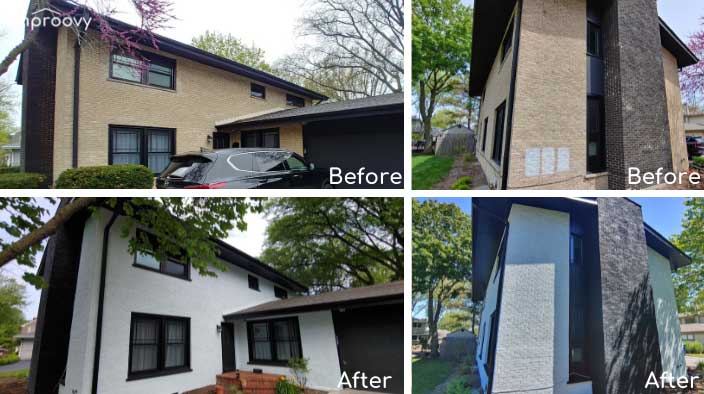
If you’re considering a fresh look for your home, a painted brick house can dramatically boost curb appeal while preserving the brick’s heat- and weather-resistant properties. A good painting project blends color, texture, and craftsmanship, creating an exterior that feels both new and timeless. For homeowners curious about this approach, a dedicated resource on a painted brick house offers practical steps and inspiration.
Why choose paint over bare brick
Brick is durable, but over time it can look tired as mortar joints weather, stains accumulate, and the sun fades the color. Painting brick adds a protective layer, helps seal porous surfaces against moisture, and opens up a wide range of color options. Modern masonry paints allow the brick to “breathe,” reducing the risk of moisture entrapment that can cause spalling or efflorescence. The result is cleaner lines, a more uniform appearance, and a home that fits contemporary neighborhoods or historic districts with updated charm.
Color strategy: picking tones that complement architecture
Start by evaluating the architectural style, roof color, trim, and window frames. Light, neutral palettes can make small homes feel larger, while bold tones like charcoal or deep navy create drama and contrast when paired with white or lighter trim. If you have brick that’s especially red, brown, or ochre, consider a cooler base with warm undertones to avoid color clashes. Always test paint samples on a small area and view them at different times of day to understand how the hue shifts in sunlight.
Surface prep and materials: quality matters
Preparation determines longevity. Begin with cleaning to remove dirt, mildew, and efflorescence. Repair any cracks in the brick or mortar with appropriate fillers. Use a breathable, exterior masonry primer and a 100 percent acrylic exterior paint designed for masonry surfaces. Many pros recommend two coats for full coverage and color depth, plus a third coat for high-traffic or very sunny elevations. Choose high-quality brushes, rollers, and protective gear to ensure a smooth, even finish.
DIY vs hiring a professional
Painting brick is typically more demanding than painting wood or siding. A professional crew has experience with surface texture, weather windows, and primer compatibility, reducing the chance of peeling or staining. Even experienced DIYers should plan for long dry spells, careful masking of adjacent surfaces, and a staged approach to avoid weather-related delays. If your home is older and may contain lead paint, or if you’re unsure about structural or moisture concerns, consult a licensed contractor for a safety-first assessment.
Finish options and long-term care
Finishes range from matte to satin, with some elastomeric options that resist cracking in severe climates. Matte finishes hide minor brick texture variations, while satin provides a hint of sheen that can enhance depth. For a historic feel, limewash-inspired textures offer a softer, breathable alternative to standard acrylic paints. Plan on annual inspections for chips or cracks and perform light cleaning with gentle cleaners to maintain vibrancy without stripping the finish.
To explore more ideas and find step-by-step tutorials on color, textures, and techniques, visit Dream of DIY. If you want to dive into a focused guide about color and masonry, see the resources linked on the painted brick house page.
 Admin
Admin