

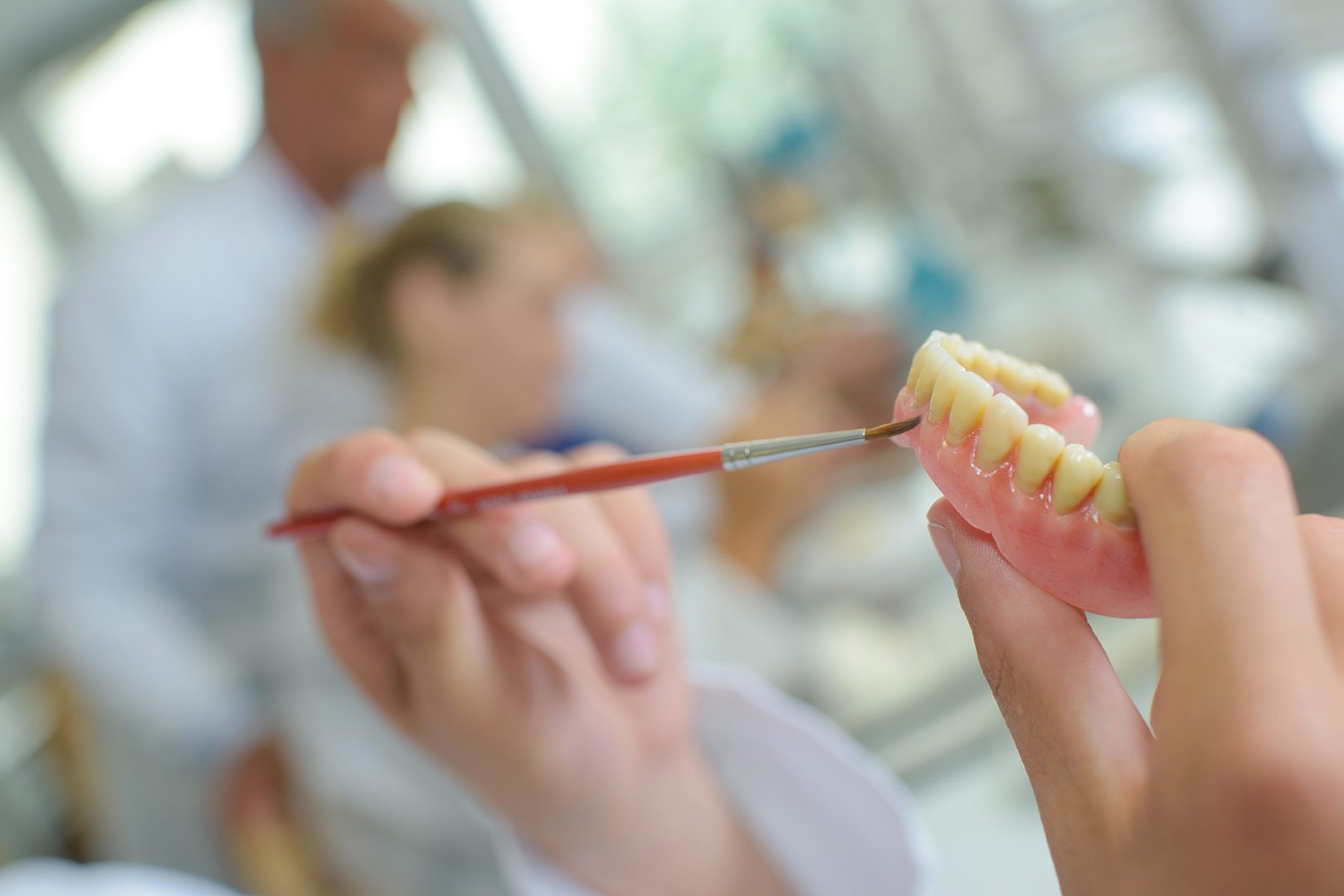
For individuals facing the loss of upper teeth, the decision to get a complete or partial upper denture marks the beginning of an exciting journey toward restoring their smile, chewing function, and overall confidence. The process is a careful and custom-tailored sequence of appointments, not a single visit, ensuring the final prosthetic fits comfortably and looks natural. Understanding the steps involved can significantly reduce any anxiety and help you feel prepared for each stage, especially when working with a dedicated denturist who understands the intricacies of a perfect fit. Whether you are exploring options in a major metropolitan area or seeking specialized care for your needs, knowing what to expect is the first step toward a successful outcome. The journey for many patients, including those seeking services from experienced providers specializing in https://albertadentures.com/service/upper-dentures, typically spans several weeks and appointments, each serving a vital purpose in the creation of a life-changing dental appliance.
The Initial Consultation and Preliminary Impressions
Your first appointment with your denturist is arguably the most important, as it lays the foundation for your entire treatment. This consultation typically involves a comprehensive oral examination, a detailed discussion of your medical and dental history, and an assessment of your needs and expectations. This is the time to openly discuss how you envision your new smile—including the desired color, shape, and size of the teeth—and to ask any questions you may have about the denture materials and various options available, such as conventional or immediate dentures. If existing teeth need to be extracted, your denturist will coordinate with a dentist or oral surgeon to create a clear plan.
A critical step during this initial visit is taking preliminary impressions of your mouth. These are initial molds of your upper arch (and often the lower, to assess how your jaws align). These initial molds are taken using a stock tray and an impression material like alginate, which quickly sets to capture the basic shape of your mouth. These molds are not used for the final denture but are instead used by the lab to create a custom-fitted impression tray, which will be much more precise and accurate for the next appointment. The goal of this first visit is to gather the necessary introductory information and anatomical data to begin the personalization process for your unique prosthetic.
Precision Records: Secondary Impressions and Bite Registration
The second or sometimes third appointment focuses on capturing the highly accurate anatomical details of your mouth that are essential for a stable, comfortable, and well-fitting upper denture. This is achieved through secondary impressions using the custom trays created from your initial visit. Because this tray is fabricated to the exact contours of your mouth, the resulting impression provides a much more precise mold of your gums, palate, and residual ridge—the areas that will support the denture. This level of detail is crucial to prevent common issues like rocking or soreness.
Following the secondary impressions, your denturist will perform a ‘bite registration’ or ‘occlusive registration.’ This step determines the proper relationship between your upper and lower jaws. An upper denture must align precisely with your lower teeth or an existing lower denture to ensure effective chewing and comfortable speaking. Your denturist will use a wax rim or a similar recording device to find the correct vertical dimension (how open your mouth is when resting) and the centric relation (how your jaws close together). Getting this registration correct is paramount, as an incorrect bite can lead to discomfort, uneven wear, and difficulty eating. At this stage, you will also confirm the shade, shape, and arrangement of the artificial teeth that will be used in your trial denture.
The Try-In and Finalizing the Look
The ‘try-in’ appointment is often the most exciting step, as it allows you to see a wax-based model of your future denture right in your mouth. This model, which includes the artificial teeth set in wax, is an exact replica of the final prosthetic in terms of tooth positioning and gum contour. This is your opportunity to assess the aesthetics: how the teeth look, their color, their alignment, and how they affect your facial symmetry and smile line. You should not hesitate to speak up about any aspect of the appearance or fit.
Your denturist will check the alignment of the teeth, the bite, and how the wax base rests on your gums. The wax base allows for easy and immediate adjustments—the teeth can be repositioned, the wax can be contoured, and even the tooth shade can be confirmed or changed based on your feedback. It is crucial to be candid during this visit, as this is the last chance to make structural and cosmetic changes before the denture is processed into the final, hard acrylic material. Once you and the denturist are completely satisfied, the model is sent back to the lab for the final processing phase. This commitment to patient satisfaction and precise customization is a hallmark of quality denture services, including those provided by expert teams specializing in albertadentures.
Final Fitting and Post-Insertion Care
The last phase is the insertion or final fitting appointment. Your newly processed upper denture, now made of durable acrylic resin, is carefully placed in your mouth. Your denturist will meticulously check the fit, checking for any pressure points, ensuring a secure seal (suction) against your palate and gums, and verifying the alignment of the bite one last time. It is important to understand that a new denture may initially feel bulky or strange, but it should not cause sharp, unbearable pain.
The denturist will provide detailed instructions on wearing, cleaning, and caring for your new upper denture. This includes advice on using a soft brush, cleaning solution, and the importance of allowing your gum tissues to rest by removing the denture for several hours, typically overnight. They will also discuss what to expect in the initial adjustment period, such as learning to speak and chew again. Speaking may require a little practice, and eating should begin with soft foods cut into small pieces.
Follow-up appointments are an indispensable part of the process. Within 24 to 72 hours of the final fitting, you will likely return for a check-up. As your gums and underlying bone structure settle and respond to the pressure of the new denture, minor sore spots or pressure areas are very common. These are easily corrected with small adjustments by the denturist. You should never attempt to adjust the denture yourself. Multiple follow-up visits may be required over the first few weeks to fine-tune the fit for optimal comfort and function. This ongoing care ensures long-term comfort and success with your new upper denture, restoring your confidence and quality of life.