

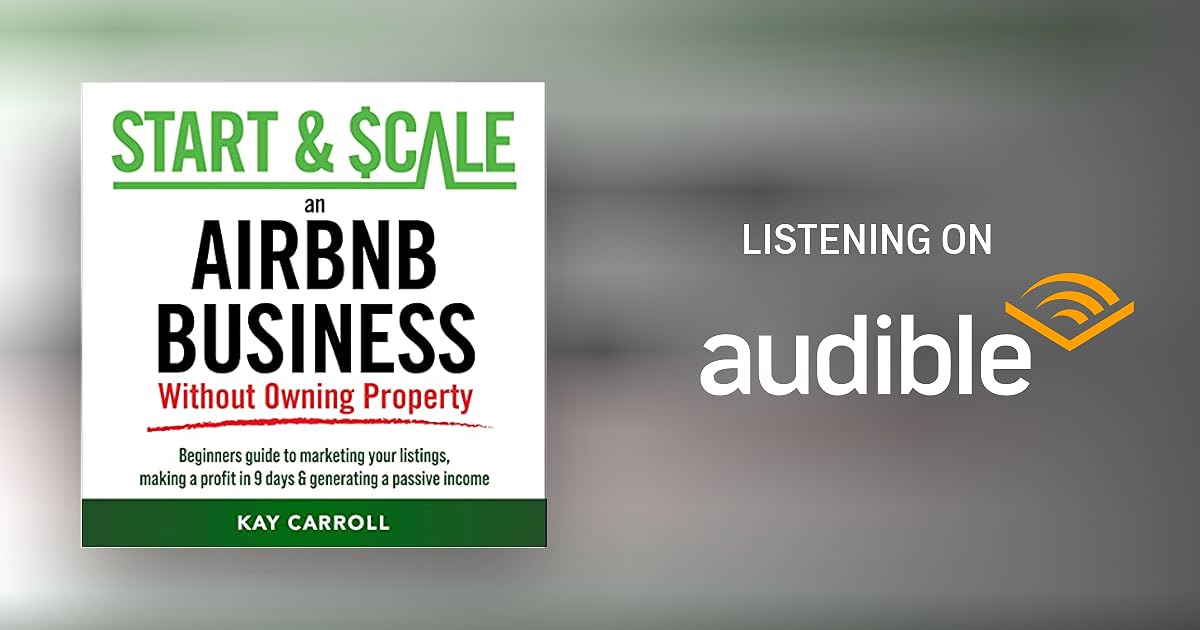
If you’re looking to turn a spare room, a vacation home, or an investment property into a reliable income stream, you’re in the right place. If you’re researching how to start an airbnb, you’ll find a structured approach that helps you launch quickly while staying compliant. This guide breaks the process into clear steps, with practical tips you can implement this week.
1) Understand the legal and financial landscape
Before you list your space, map out the rules that apply to short-term rentals in your city or neighborhood. This includes business licenses, occupancy taxes, safety inspections, and landlord or HOA restrictions. Speak with an accountant or tax advisor to understand permits, deductions, and reporting requirements. Knowing these basics upfront helps you avoid costly penalties and creates a solid foundation for a compliant listing.
Checklist highlights:
- Local permits and licensing requirements
- Insurance coverage appropriate for short-term rentals
- Taxes and income reporting obligations
- HOA or building rules, if applicable
2) Define your niche and set guest expectations
Effective listings target a specific type of traveler, whether it’s families, business guests, or couples seeking a weekend getaway. Decide if you’ll rent an entire home or just a private room, and tailor amenities accordingly. A well-defined niche helps you price correctly, attract the right guests, and earn better reviews. Clarify house rules, noise policies, and accessibility features to manage expectations from the start.
3) Prepare the space for hospitality
First impressions matter. Invest in clean, functional, and safe spaces. Focus on fresh bedding, reliable Wi‑Fi, good lighting, and security measures. Declutter, stage the rooms, and provide thoughtful touches like local guides, extra trash bags, and clear instructions for access. Professional photos dramatically increase click-through and booking rates, so consider hiring a photographer or using a high-quality camera with natural light. A well-prepared space reduces inquiries and speeds up reservations.
4) Create a compelling listing
Your listing is your sales page. Craft a concise, accurate title, followed by a detailed description that emphasizes standout features, proximity to attractions, and unique amenities. Include a complete amenity list, accurate bed configurations, and a fair house manual. Use high-resolution photos that cover every room and outdoor areas. Set transparent policies on check-in, cancellation, and house rules. A strong listing builds trust and sets the stage for positive reviews.
Quick checklist for the listing:
- Attention-grabbing title and engaging description
- Accurate bed sizes and occupancy limits
- Professional or high-quality photos
- Clear check-in instructions and access details
- Transparent pricing, fees, and cancellation policy
5) Price smart and manage bookings
Pricing is both art and science. Start with a competitive baseline by researching comparable listings in your area and adjusting for seasonality, weekends, and special events. Use dynamic pricing tools if possible, and maintain a flexible minimum stay policy to maximize occupancy. Keep your calendar up to date and respond quickly to inquiries to improve your search ranking and conversion rate.
6) Deliver a five-star guest experience
Communication is key. Respond promptly to messages, provide welcome notes with local recommendations, and offer a seamless self-check-in process when possible. Cleanliness and reliability drive reviews, so maintain a consistent cleaning routine and address maintenance issues swiftly. Collect feedback, learn from it, and continuously refine your space and service. Positive reviews compound over time, increasing bookings and revenue.
7) Grow responsibly and protect your investment
As you gain experience, consider expanding strategically—adding another unit, diversifying your property types, or optimizing your listing across multiple platforms. Stay compliant with evolving regulations, renew insurance as needed, and reinvest earnings into upgrades that raise your listing’s value. Build a strong brand around hospitality, responsiveness, and consistency to earn repeat guests and referrals.
Learning how to start an airbnb can be straightforward when you follow a plan that emphasizes legality, guest experience, and steady optimization. For more insights and guided strategies, visit BusInvesty.
If you’re ready for a quick reference, remember that how to start an airbnb is best approached through clear preparation, transparent communication, and a guest-first mindset. Your listing’s success will grow as you apply these fundamentals to real bookings.
 Admin
Admin