

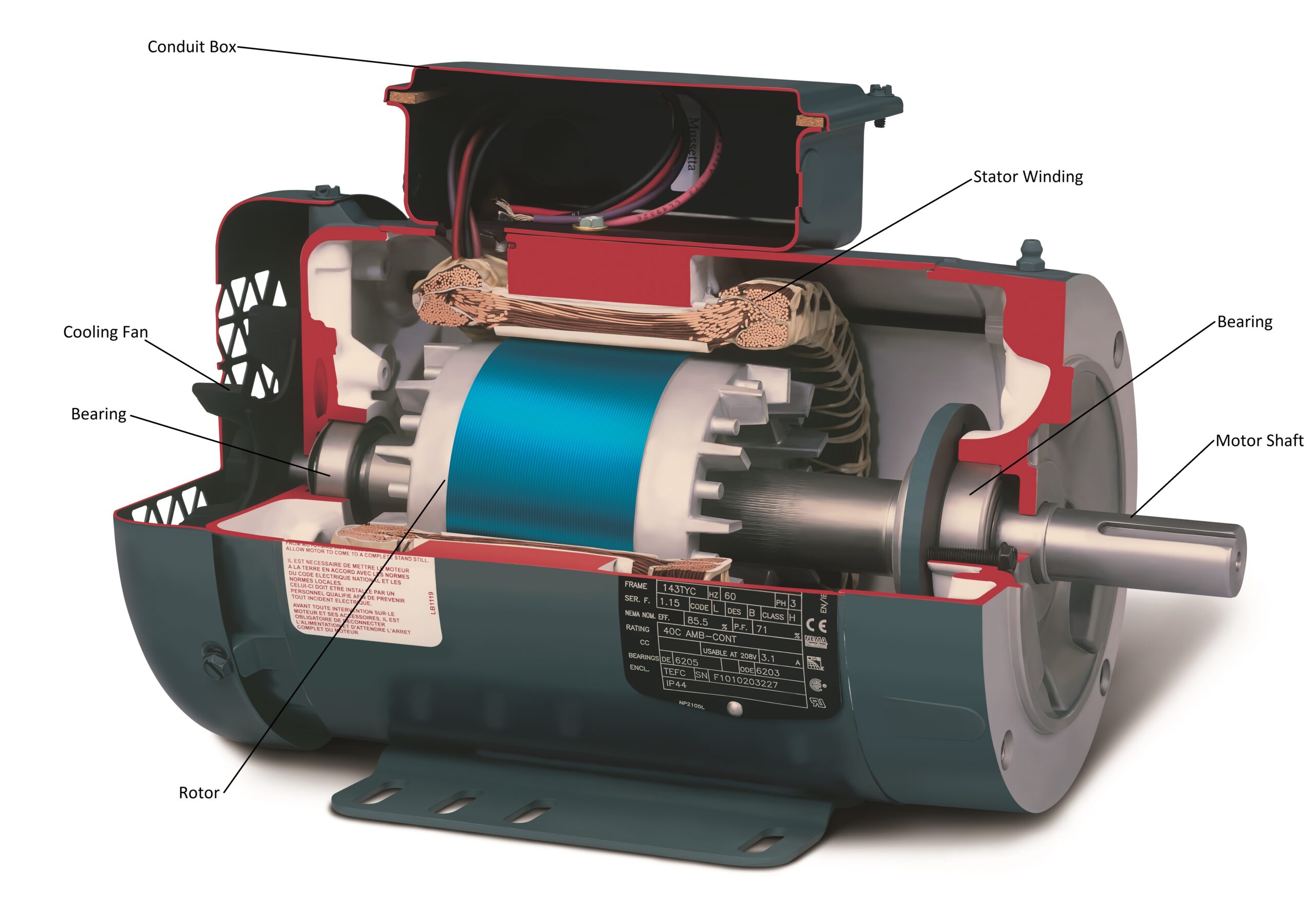
Electric motors power a wide range of equipment, from ceiling fans to industrial machines. Knowing the key components helps you diagnose issues quickly, source the right replacements, and extend the motor’s life. For a detailed overview, explore the parts-of-a-motor page as a reference. This guide breaks down the major pieces, explains how they work together, and offers practical maintenance tips you can apply to most small, medium, and high‑duty motors.
Core components that drive performance
At the heart of any motor is a collaboration between stationary and moving parts. The main components include:
- Stator: The stationary outer shell that houses windings or magnets to create a magnetic field. It forms the constant part of the motor’s magnetic circuit.
- Rotor: The rotating inner assembly that responds to the stator’s field and transmits torque to the shaft.
- Windings or magnets: Copper coils or permanent magnets that generate electromagnetism when current flows.
- Bearings: Support the shaft, allowing smooth rotation with minimal friction and wear.
- Shaft: The central spine that delivers mechanical power to the driven equipment.
- End bells and housing: Structural components that hold the bearings in place and protect the internals from dust and moisture.
- Commutator and brushes (DC motors): Sliding contacts that switch current to windings as the rotor turns, enabling continuous rotation.
- Cooling system: Fans, vents, and sometimes liquid cooling to prevent overheating and maintain efficiency.
- Insulation and laminations: Materials that protect windings and reduce energy losses while shaping the magnetic circuit.
Understanding how these parts interact helps explain common failure modes. For example, worn bearings can cause wobble and vibration, while overheated windings may reduce efficiency or lead to insulation damage. The housing and cooling system play critical roles in maintaining performance under load and ambient conditions.
Diagnostics and common symptoms
When things go wrong, a few telltale signs can guide your inspection. Look for:
- Unusual noises such as grinding, squealing, or rhythmic knocking that suggest bearing wear or rotor balance issues.
- Excessive heat on the motor housing, which may indicate inadequate cooling or overloaded operation.
- Vibration or misalignment causing shaft wear or mounting problems.
- Electrical symptoms like tripping breakers, fluctuating voltages, or wiring insulation damage.
- Reduced torque, slow startup, or inconsistent speed that points to winding faults or stator issues.
Regular inspections can catch problems early. When in doubt, document motor model data, check the service manual for torque and lubrication specifications, and consider professional testing methods such as insulation resistance tests or bearing condition monitoring.
Maintenance and preventive care
Routine checks extend motor life and maintain performance. Practical steps include:
- Schedule periodic lubrication of bearings with the correct grease type and amount per the manufacturer’s guidelines.
- Keep ventilation paths clear and clean to ensure effective cooling and stable operating temperatures.
- Inspect electrical connections for looseness, corrosion, or insulation wear, and tighten or replace as needed.
- Monitor for signs of moisture or contamination inside the motor housing and address seals or enclosure integrity.
- Test insulation resistance and verify that winding temperatures stay within rated limits during operation.
- Check alignment between the motor shaft and driven equipment to prevent bearing and belt wear.
When it comes to parts, using components that match the original specifications is crucial. Refer to the manufacturer’s documentation or a trusted parts catalog for compatibility, including voltage ratings, frame size, and mounting configuration.
AC versus DC motors: how their parts differ
Most AC induction motors rely on a laminated stator and a simple rotor, without a commutator or brushes. This design minimizes sliding contacts and reduces maintenance needs, but special care is needed for high‑temperature or dusty environments. DC motors, by contrast, use a commutator and brushes to switch current as the rotor turns, which means brushes wear and require periodic inspection or replacement. Understanding these differences helps you plan maintenance cycles and source the right replacement parts.
Choosing the right replacement parts
When replacing components, consider motor type, horsepower, voltage, insulation class, and environmental conditions (dust, moisture, temperature). Genuine parts from the manufacturer or reputable suppliers ensure proper fit, electrical compatibility, and expected service life. Always power down and lockout-tagout prior to inspection or disassembly, and consider consulting additional guides at the NewPapero homepage for more tips and tutorials.
 Admin
Admin