

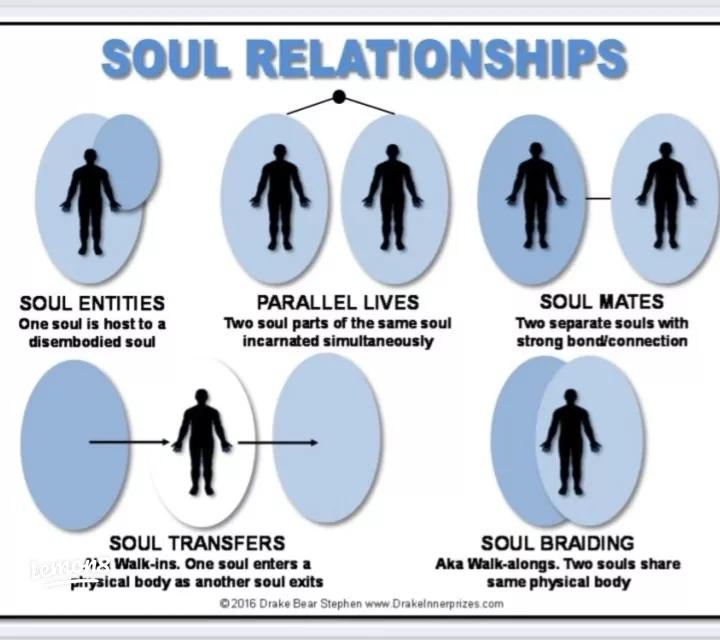
In relationship discussions, many ask what are soul ties and how such connections form, linger, or shape choices. While beliefs vary across cultures and spiritual traditions, the idea commonly describes a deep, enduring bond that can feel larger than the individual. This article explores what soul ties are, how they can influence emotions and behavior, and practical steps to navigate them in healthy ways.
Defining soul ties: a bridge between spirit and psychology
Generally, soul ties are described as energetic connections that persist after a relationship ends. Some perspectives emphasize a soulmate-like linkage that transcends time, while others frame it as intense attachment patterns rooted in early experiences, unmet needs, or unresolved grief. For many readers, the concept offers a language to describe recurring thoughts, dreams, or emotional pull toward a former partner. Whether you view it through a spiritual lens or a psychological lens, the experience often involves deep resonance, repeated patterning, and a sense that the bond lives on beyond physical contact.
Signs that a powerful bond may be a soul tie
Recognizing a potential soul tie can help you decide how to respond. Common indicators include:
- Persistent thoughts about a specific person long after separation
- Recurring dreams or emotional triggers tied to shared memories
- Uncomfortable clinginess or a pattern of repeating the same relationship dynamics
- Overwhelming feelings of unfinished business or a sense that you are not fully yourself when apart
- Difficulty forming new attachments or moving on despite reasonable boundaries
Why addressing soul ties matters for well-being
Addressing the question of what are soul ties matters because unresolved attachments can affect self-esteem, decision-making, and future relationships. Distinguishing between genuine love, personal healing needs, and lingering attachments helps you set healthier boundaries. Some people find value in spiritual practices, therapy, journaling, or mindful detachment as you evaluate what the bond means in your present life. The goal is not to deny feelings but to align them with your best interests and growth goals.
Healing steps and practical boundaries
Whether you interpret soul ties as spiritual or psychological, the following steps can facilitate healing and healthier connections:
- Acknowledge your feelings without judgment
- Limit or reorganize contact to reduce emotional triggers
- Practice self-care rituals that reinforce autonomy (sleep, nutrition, exercise, hobbies)
- Seek supportive therapy or counseling to explore attachment patterns
- Spiritual or mindfulness practices that promote release and forgiveness
Over time, you can gain clarity about what the bond has taught you and how to honor your needs. If you choose to explore further, resources and guides from ReadsNow homepage can offer balanced perspectives and practical exercises to support healing.
Conclusion: moving forward with intention
Understanding what are soul ties invites you to examine attachment with openness and care. By distinguishing meaningful connections from lingering entanglements, you can cultivate healthier relationships and greater personal freedom. Remember that healing is a process, not a verdict, and every step you take toward self-awareness strengthens your ability to love well—with or without the sense of an eternal bond.
 Admin
Admin